Clean and safe drinking water is no longer a luxury in Bangladesh. It has become an essential requirement for every household, office, school, hospital, restaurant, factory, commercial building, and industrial facility. Although water may appear clear and clean, it can contain dissolved minerals, microorganisms, suspended particles, unpleasant odors, chemicals, heavy metals, and other contaminants that cannot always be detected by looking at the water. As awareness about drinking-water quality continues to increase, more people are searching for reliable purification solutions that match their specific water conditions and budgets. Consequently, one of the most common searches among Bangladeshi consumers is Water Purifier Price in Bangladesh. However, purchasing a water purifier should not be based on price alone.
The cheapest machine is not necessarily the most economical solution, and the most expensive machine is not necessarily the best solution for every family. The correct purifier depends on several factors, including the source of water, contamination level, daily consumption, required purification technology, storage capacity, installation requirements, replacement-filter costs, electricity consumption, warranty, after-sales service, and expected operating life. A household receiving municipal supply may need a completely different purification system from a family using deep-tube-well water. Similarly, an office with 50 employees cannot be compared with a small family of three or four people. This comprehensive guide explains the factors that influence Water Purifier Price in Bangladesh, the different types of purification technologies available, how to compare models, what features are genuinely important, how much attention should be given to maintenance costs, and how to choose a suitable purification system without wasting money.
Bangladesh has abundant water resources, but availability of water does not automatically mean availability of safe drinking water. Water quality can vary considerably from one location to another. Even within the same city, water supplied to different buildings can experience different problems because of variations in source water, underground pipelines, storage tanks, plumbing systems, building age, and local environmental conditions. Water can become contaminated at several stages:
For this reason, water that looks perfectly transparent may still require treatment. This is one of the primary reasons demand for domestic and Commercial Purification systems continues to grow. Consumers today are becoming more conscious about:
As a result, people are increasingly interested in understanding not only the purchase price of a purifier but also its actual performance and lifetime cost.
There is no single fixed price for a water purifier. Two machines that look similar from the outside can have significantly different prices because their internal technologies, components, filtration capacity, membrane quality, pumps, electrical systems, storage tanks, filtration stages, automation, and construction materials may be completely different. The main factors influencing purifier pricing include:
The purification technology is one of the biggest price determinants. Common technologies include:
A basic filtration system can be comparatively inexpensive, while a sophisticated reverse osmosis system with multiple treatment stages and electronic controls can cost substantially more.
A purifier with two or three basic filtration stages may have a lower initial cost than a system containing five, six, seven, or more treatment stages. However, the number of stages alone should not determine your purchasing decision. For example, adding several filters does not automatically make a machine better. The important question is:
Does each filtration stage solve a genuine water-quality problem?
A properly designed system should use appropriate treatment stages according to the incoming water characteristics.
For an RO purifier, the membrane is one of the most important components. The membrane determines the system's ability to reduce many dissolved contaminants. Membrane performance can be affected by:
A low-quality membrane may initially appear economical but can result in poor purification performance and more frequent replacement. Therefore, when comparing Water Purifier Price in Bangladesh, customers should consider membrane specifications rather than simply asking how many stages a machine has.
Different water sources require different purification technologies. Understanding the major categories will help consumers make a better purchasing decision.
UF stands for Ultrafiltration. UF systems use a membrane with very small pores to physically separate many suspended particles and microorganisms from water. A UF system can be suitable for applications where dissolved salt levels are not the primary concern. One major advantage of UF technology is that it can operate without the high pressure and electrical requirements associated with conventional RO systems, depending on the specific system design and feed-water conditions.
UF purification may be suitable for:
However, UF should not be treated as a universal replacement for RO. If the source water contains high levels of dissolved salts or specific dissolved contaminants that require membrane desalination, RO may be more appropriate.
UV means Ultraviolet purification. UV systems use ultraviolet radiation to inactivate many microorganisms. The key advantage of UV technology is that it does not generally require adding chemicals to the water for microbial disinfection. UV can be useful where microbiological contamination is a concern but dissolved contaminants are not the primary problem. A UV system may be combined with:
The combination depends on the water quality. One important point is that UV purification does not work in the same way as RO. UV is primarily a disinfection technology, whereas RO is a membrane separation technology capable of reducing many dissolved substances. Therefore, consumers should not compare UV and RO solely on price.
RO stands for Reverse Osmosis. It is one of the most widely recognized water purification technologies in Bangladesh. An RO membrane allows water to pass through while rejecting a significant portion of many dissolved substances. RO systems are commonly considered when water contains:
A typical RO system may contain several treatment stages before and after the membrane. A common configuration may include:
The exact configuration should be selected according to actual water quality rather than marketing claims.
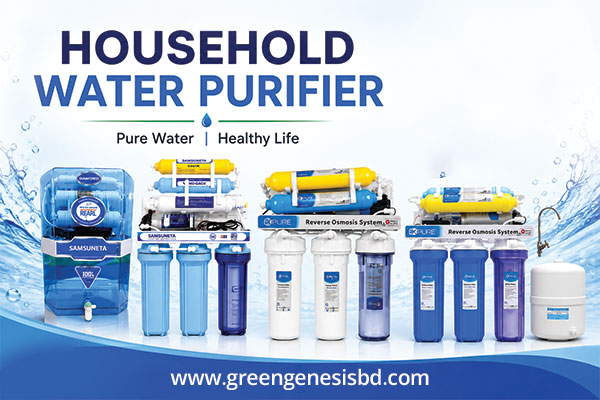
Countertop models are designed to occupy limited space. They can be suitable for:
Their main advantages include:
When choosing a countertop purifier, users should still check:
Under-sink systems are installed below the kitchen counter. This arrangement offers a clean appearance because the main filtration components remain hidden. An under-sink system can be attractive for customers who prefer:
The total installation cost can vary depending on plumbing requirements and cabinet configuration.
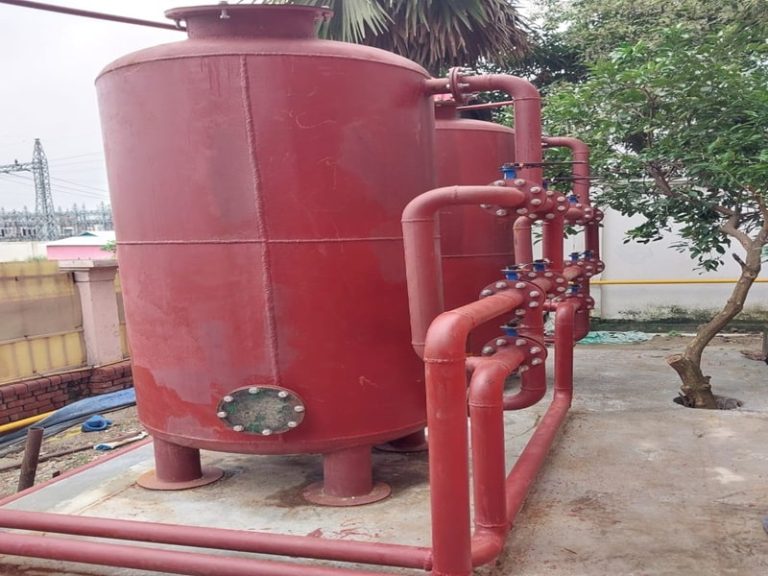
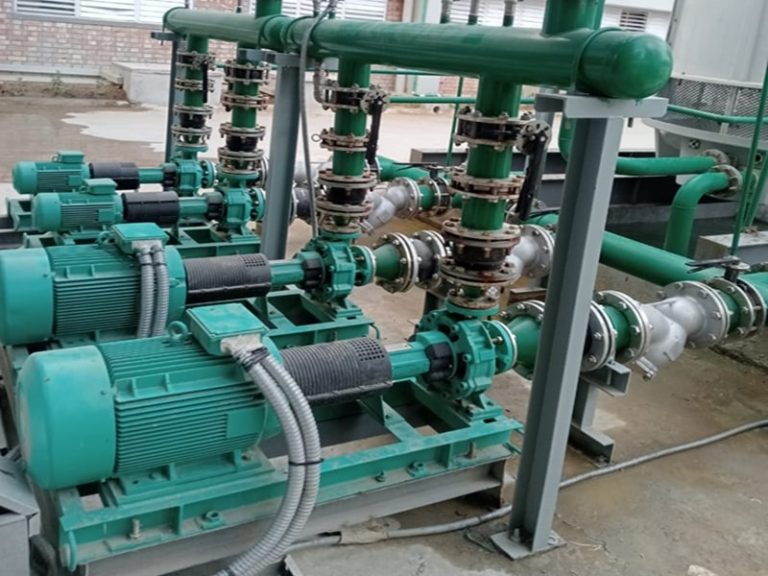
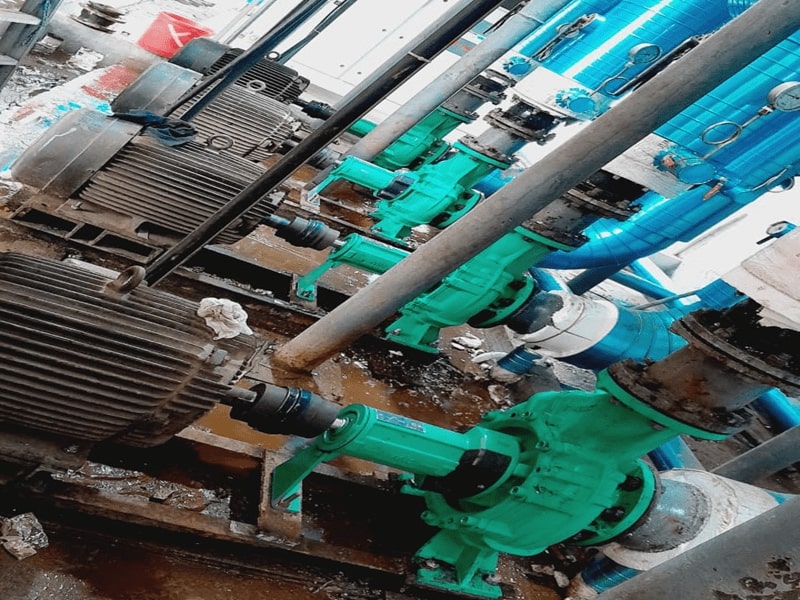
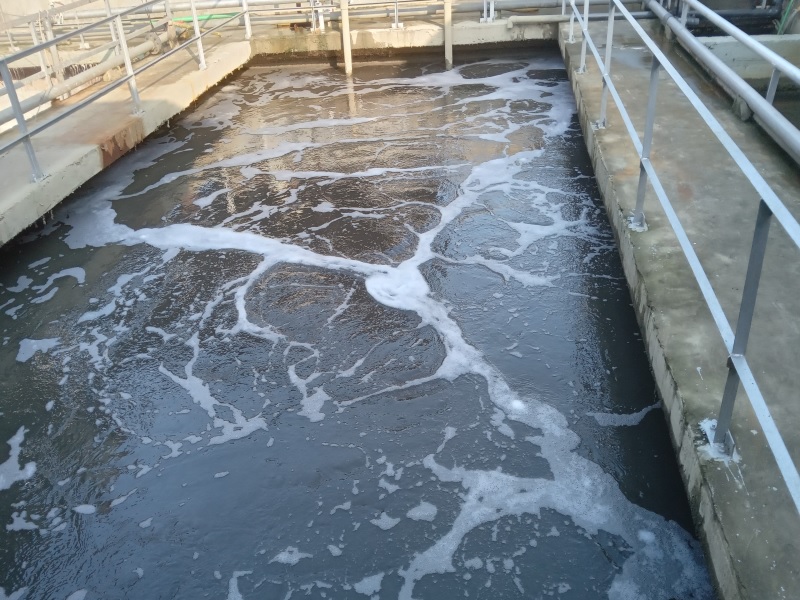
Industrial water treatment is considerably more complex than household drinking-water purification. Industrial users may require treatment for:
Industrial systems can include:
For industrial applications, the system should normally be designed after analyzing the source water. This is an area where engineering expertise is much more important than simply comparing machine prices.
A professional buyer should think beyond the first invoice. Consider a hypothetical example. A good sales consultation should answer:
Water testing can prevent customers from buying the wrong technology. Important parameters may include:
Not every water source needs every test. The test panel should be selected according to:
For high-risk or commercial applications, professional laboratory analysis is strongly recommended.
Alkaline systems are designed to modify the mineral characteristics and/or pH of treated water depending on the technology used. Some RO systems include an alkaline or mineral cartridge after the RO membrane. The purpose can include:
Consumers should understand that an alkaline cartridge is not a substitute for proper purification. The fundamental objective should always be safe and appropriate water treatment first
Some modern domestic purifiers include mineral cartridges designed to add selected minerals back into treated water. This can be useful because certain purification processes, particularly RO, can substantially reduce dissolved mineral content. The choice of mineral cartridge should depend on the treatment design and water chemistry. A quality purification system should maintain an appropriate balance between contaminant removal and desired water characteristics.
Modern drinking-water machines are no longer limited to room-temperature water. Some models offer:
This type of machine is particularly useful for:
A hot-and-cold machine normally has additional components compared with a basic purifier. For example:
Therefore, the price will generally be influenced by these additional functions.
Wall-mounted purifiers are popular because they save countertop space. They can be especially useful in modern apartments and compact kitchens. The system can be installed above a countertop or another suitable location, depending on the manufacturer's installation requirements. Important considerations include:
A professional installation is important because poor installation can cause leakage or unnecessary maintenance problems.
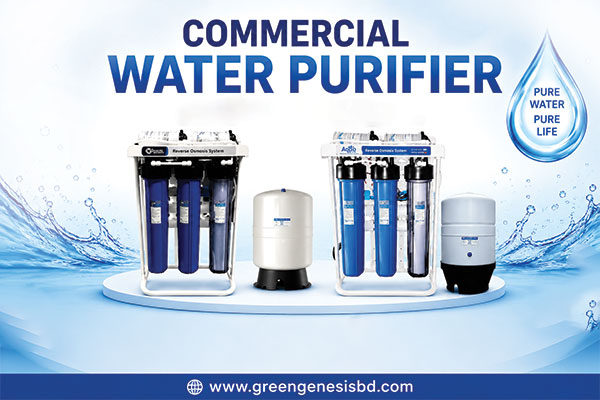
Commercial applications have different requirements from domestic households. An office, restaurant, school, hospital, hotel, factory, or shopping facility may consume substantially more water every day. Therefore, commercial systems need to be evaluated based on:
In these cases, purchasing a small domestic purifier simply because it is cheaper can become a false economy. A correctly sized commercial purification system may provide better reliability and lower operating costs over time.
When consumers search for Water Purifier Price in Bangladesh, one of the first instincts is often to find the cheapest available model. Price is important, but it should not be the only consideration. A low-cost purifier may have:
Suppose one machine costs less initially but requires frequent filter replacement and repairs. Another machine costs somewhat more but operates reliably for a longer period. The second machine may actually have a lower lifetime cost. Therefore, the correct comparison should be:
Purchase Price + Installation Cost + Filter Cost + Electricity Cost + Maintenance Cost + Replacement Cost = Total Cost of Ownership
This is a much more meaningful calculation than comparing the initial selling price alone.
One of the biggest mistakes customers make is buying a purifier before testing the water. The correct sequence should generally be:
Water Source → Water Testing → Contamination Identification → Treatment Selection → Capacity Calculation → Purifier Selection
Not:
Advertisement → Cheapest Price → Purchase
Water may contain different contaminants depending on the source. For example:
Municipal Supply
Potential concerns may include:
Groundwater
Potential concerns may include:
Surface Water
Potential concerns may include:
Therefore, the purification technology must be matched to the actual water.
When comparing several products, do not compare only the sticker price. Create a simple comparison table.
|
Feature |
Model A |
Model B |
Model C |
|
Technology |
UF |
UV |
RO |
|
Daily Capacity |
Check specification |
Check specification |
Check specification |
|
Storage |
Check specification |
Check specification |
Check specification |
|
Membrane |
N/A |
N/A |
RO membrane |
|
Pump |
N/A |
N/A |
Included/optional |
|
Filter Cost |
Check |
Check |
Check |
|
Warranty |
Check |
Check |
Check |
|
Installation |
Check |
Check |
Check |
|
Service |
Check |
Check |
Check |
|
Electricity |
Low/None depending on design |
Applicable |
Applicable |
|
Suitable Water |
Depends on source |
Depends on source |
Depends on source |
This approach helps buyers understand what they are actually purchasing.
Before making a purchase, ask the supplier at least the following questions:
Question 1: What type of water is this purifier designed for?
A domestic purifier designed for municipal water may not be suitable for high-salinity groundwater.
Question 2: What contaminants does it reduce?
Avoid vague statements such as “removes all impurities.” Ask for specific information.
Question 3: What is the production capacity?
A purifier must be capable of meeting daily demand.
Question 4: What is the filter replacement interval?
This directly affects operating cost.
Question 5: What is the replacement-filter price?
A low-cost machine with expensive replacement filters may become expensive over time.
Question 6: What is the warranty?
Understand exactly what is covered.
Question 7: Is installation included?
Some suppliers charge separately.
Question 8: Is after-sales service available?
A purifier is not a one-time purchase. It requires periodic maintenance.
Question 9: Are spare parts locally available?
This is particularly important for pumps, membranes, adapters, electrical components, and control systems.
Question 10: Does the system require electricity?
UF systems may operate differently from UV and RO systems.
Brand reputation matters, but engineering capability matters too. A water purifier is a treatment system, not simply a decorative kitchen appliance. For more complicated water conditions, professional design becomes increasingly important. Green Genesis Engineering Limited brings an engineering-oriented approach to water-treatment solutions, allowing customers to consider not only the purifier itself but also the quality of the incoming water, treatment requirement, capacity, installation, and long-term operation. For a simple domestic application, customers may need only a suitable packaged purifier. For difficult groundwater or commercial applications, however, proper water analysis and treatment design can make a significant difference.
RO systems do not normally convert every litre of feed water into purified product water. Part of the feed water becomes reject or concentrate water. The relationship between product water and feed water is referred to as recovery. For example, if a system receives 100 litres of feed water and produces 30 litres of treated water, the recovery is approximately 30%. Actual recovery varies depending on:
Therefore, consumers should understand recovery before purchasing an RO purifier.
This question is frequently asked. The answer depends on the system design and operating conditions. Older or poorly designed domestic RO systems can discharge a significant amount of reject water. However, better system design, improved membranes, appropriate operating conditions, and proper system controls can improve overall efficiency. Reject water may sometimes be reused for suitable non-drinking purposes, depending on its quality and local practices. For example, depending on quality, it may potentially be used for:
It should not automatically be used for every purpose without considering the reject-water quality.
Electricity consumption depends heavily on technology. A basic gravity or pressure-driven filtration system may have minimal or no electricity requirement. UV systems require electrical power for the UV lamp. RO systems commonly use electrical pumps, especially where incoming pressure is insufficient. Hot-and-cold systems consume additional electricity because heating and cooling require energy. Therefore, when comparing Water Purifier Price in Bangladesh, consumers should also consider energy requirements.
Every water purifier requires maintenance. Filters gradually accumulate contaminants and lose effectiveness. A maintenance schedule may involve:
The replacement frequency depends on:
Therefore, suppliers should provide a practical maintenance schedule rather than simply selling the machine.
Filters are the heart of a purification system. A purifier may have an attractive exterior, digital display, stylish faucet, and many advertised stages, but if the filtration media and membrane are poor quality, the overall performance can be disappointing. Important filter categories include:
Storage capacity is another important consideration. A small family may require less storage than a large family. However, the correct storage volume depends not only on the number of people but also on:
For example, a household of four people may have completely different water requirements from a small office with 20 employees. Therefore, storage capacity should be selected according to actual usage.
A simple estimation can help.
Suppose:
Then drinking demand may be around:
8–12 litres/day
But if purified water is also used for:
the total requirement can become significantly higher. Therefore, choosing a purifier with a suitable production capacity is more important than simply selecting the largest machine.
For a small household, priorities often include:
There is usually no reason to purchase an oversized industrial system for a small family. At the same time, choosing an extremely basic filter for water containing high dissolved contaminants may not provide the required treatment. The correct solution is the one that matches the source water and consumption.
Large households require more capacity. A suitable system may need:
If multiple family members use purified water throughout the day, the purifier should be sized accordingly.
Offices have unique demand patterns. Water consumption can increase significantly during:
For an office, consider:
A commercial dispenser or larger purification system may be more appropriate than a small household machine.
Restaurants have high water requirements. Purified water may be used for:
The purification requirement should therefore be determined carefully. For restaurant applications, the cost of inadequate water treatment can extend beyond health concerns. Poor-quality water can also affect:
Therefore, restaurants should prioritize properly engineered water treatment.
Schools need reliable access to safe drinking water for students, teachers, and staff. The system should be selected according to:
For large schools, centralized purification systems may be more practical than multiple small household units.
Healthcare facilities require a higher level of attention to water quality. The purification requirements depend on the application. Drinking water for staff and visitors is different from water required for specialized medical applications. Therefore, healthcare facilities should not purchase purification systems based only on consumer-grade marketing. Proper water-quality assessment and application-specific design are essential.
Hotels may need purification for:
Large hotels may require centralized water treatment rather than individual domestic purifiers. A professional engineering company can evaluate the water source, consumption pattern, and treatment requirement to determine an appropriate system.
Consumers frequently compare brands based on price. But a more intelligent comparison includes:
Technology + Quality + Capacity + Warranty + Service + Filter Cost + Spare Parts + Energy Consumption + Lifetime Cost
A branded machine with excellent marketing but poor local service may be less attractive than a properly supported system. Likewise, an inexpensive imported machine may become difficult to maintain if replacement components are unavailable. The availability of technical support is therefore a major purchasing factor.
Imported products can offer advanced designs and technologies. However, customers should check whether:
A product can be technically excellent but inconvenient to maintain if its spare parts are unavailable. A locally supported system can sometimes offer better long-term convenience.
Warranty is one of the most important factors when evaluating a purifier. Consumers should clarify:
Some consumable items may not be covered under standard warranty because they naturally require periodic replacement. Understanding these terms before purchasing prevents misunderstandings later.
Green Genesis Engineering Limited approaches water purification from an engineering perspective rather than simply focusing on selling a machine. Different water sources require different treatment solutions. Our approach can therefore begin with understanding:
Based on these factors, the appropriate purification configuration can be considered. For domestic customers, the objective may be a compact and convenient drinking-water purifier. For commercial customers, the focus may shift toward capacity, reliability, storage, and operating cost. For industrial customers, treatment may require a much more comprehensive engineering solution. This application-based approach helps customers avoid unnecessary equipment and select technology that genuinely addresses their water-quality requirements.
Instead of asking only:
“What is the Water Purifier Price in Bangladesh?”
ask:
“Which purification system is suitable for my water, and what will be the total cost of owning and operating it?”
This question leads to a much better purchasing decision. A professional supplier should be able to explain:
The purchase decision should then be based on value rather than price alone.
Rather than presenting one universal price, the Bangladesh market can broadly be understood through different categories.
Entry-Level Purifiers
These are generally designed for customers who need basic filtration at a relatively low initial cost. They may include:
The exact capability depends on the model.
Mid-Range Purifiers
These may include more advanced combinations such as:
These systems often target households looking for a broader purification solution.
Premium Domestic Purifiers
Premium models may offer:
The price is generally higher because of the additional features and components.
Commercial Purifiers
Commercial systems are selected according to capacity and application rather than simply appearance. The price depends on:
Industrial Systems
Industrial systems can vary dramatically in price. A small industrial RO system and a large automated water-treatment plant cannot be compared using a simple consumer price list. The final cost can depend on:
The phrase Water Purifier Price in Bangladesh represents an entire market rather than one product. Prices vary because the products vary. A compact household purifier cannot be compared directly with:
Each serves a different purpose. Therefore, anyone providing a single price without discussing the application may not be giving the customer enough information.
When requesting a quotation from a supplier, provide as much information as possible. Useful information includes:
Water Source:
Municipal / Groundwater / Tube Well / Surface Water / Other
Number of Users:
For example, 5, 20, 50, 100+
Daily Requirement:
Approximate litres per day
Water Quality:
TDS, pH, hardness, iron, arsenic, etc., if available
Required Water:
Drinking / Cooking / Process / Commercial
Installation Location:
Home / Office / Factory / Restaurant / School / Hospital
Available Space:
Countertop / Wall / Floor / Plant Room
With these details, a supplier can provide a much more meaningful recommendation.
Modern purifiers may include digital displays showing information such as:
These features can improve user convenience. However, customers should remember that a digital display does not itself guarantee better water quality. The actual treatment technology remains the most important consideration.
Good-quality RO systems commonly incorporate automatic controls. Depending on the design, these may include:
These features can help improve safety and equipment life.
Even an excellent purifier can perform poorly if it is installed incorrectly. Installation should consider:
Leaks can occur when tubing is poorly connected or fittings are improperly installed. Professional installation therefore contributes to long-term reliability.
One of the most common problems in domestic purification systems is delayed filter replacement. When filters become exhausted:
The actual effect depends on the filter type and water conditions. A regular maintenance schedule can help protect the system.
Customers can reduce lifetime costs through several practices.
Modern consumers are increasingly concerned about sustainability. Water purification systems can have environmental impacts related to:
Therefore, consumers should consider the environmental performance of the system in addition to purchase price. Where possible, choose systems designed for efficient operation and responsible maintenance.
The water-purification market in Bangladesh is evolving. Consumers are becoming more informed and are asking more sophisticated questions. Future demand is likely to focus increasingly on:
As awareness increases, customers will increasingly compare not only purchase prices but also actual treatment performance and total ownership costs.
There is no single fixed price because purification systems vary considerably by technology, capacity, brand, filtration stages, components, installation, and application. A basic filtration unit can cost significantly less than an advanced RO, commercial, or industrial system.
No. The best purifier is the one that correctly matches the source-water quality and user's requirements.
There is no universal answer. RO, UF, UV, activated carbon, softening, iron removal, arsenic removal, and other technologies are suitable for different water conditions.
Not necessarily. RO is most useful when dissolved contaminants require membrane treatment. If the water quality does not require RO, another technology may be more economical.
Neither is universally better. UF and RO solve different water-treatment problems.
UV is primarily a microbial disinfection technology and does not function like an RO membrane for dissolved solids reduction.
RO can reduce many dissolved substances, but performance depends on membrane quality, water chemistry, operating conditions, pretreatment, and system design. No responsible supplier should claim that one technology automatically removes every possible contaminant.
There is no universal interval. Replacement frequency depends on water quality, daily consumption, filter capacity, and system design.
Maintenance costs vary according to purifier type, filter configuration, water quality, usage, and component quality.
Some simple systems may be relatively straightforward to install, but professional installation is recommended for more complex RO, UV, commercial, or centralized systems.
RO systems produce reject water because the membrane separates contaminants from the purified stream. The amount varies according to system design and operating conditions.
It may be suitable for certain non-drinking applications depending on its quality. It should not automatically be assumed safe for every reuse purpose.
Some systems can operate without electricity, while UV, RO pumps, hot-water systems, and cold-water systems generally require electrical power.
Select appropriate technology, use quality filters, maintain the system regularly, and replace consumables according to the manufacturer's recommendations.
No. Treatment performance is more important than the number of stages.
Brand reputation can be valuable, but customers should also examine technical specifications, warranty, spare parts, service, and total ownership cost.
Before purchasing a purifier, use this checklist:
Water Quality
Capacity
Technology
Cost
Service
Long-Term Value
A practical formula for choosing a purifier is:
Water Quality + Required Capacity + Appropriate Technology + Product Quality + After-Sales Service + Lifetime Cost = Real Value
Not:
Lowest Price = Best Purifier
This distinction is extremely important. The purpose of a purifier is not simply to produce water. Its purpose is to provide appropriately treated water consistently, reliably, and economically.
Many consumers believe that consulting an engineer or water-treatment specialist will increase the purchase cost. In reality, professional assessment can sometimes reduce unnecessary expenditure. For example, a customer may initially assume that an RO system is required. After water analysis, it may become clear that a simpler filtration arrangement is sufficient. Conversely, a customer may want to purchase a low-cost filter even though the water contains contaminants requiring a more advanced treatment system. Professional assessment helps identify the difference. That is why Green Genesis Engineering Limited emphasizes application-based water-treatment solutions rather than relying only on generic product recommendations.
If you are searching online for Water Purifier Price in Bangladesh, do not make your final decision after seeing only one price. Instead, ask five questions:
Once you have answers to these questions, selecting the right purifier becomes much easier. A good water purifier should provide more than attractive design. It should provide:
The search for Water Purifier Price in Bangladesh is understandable because budget is an important part of every purchasing decision. However, price should be considered together with water quality, technology, capacity, component quality, maintenance, warranty, service, and long-term operating cost. There is no single purifier that is ideal for every home, office, restaurant, school, hospital, factory, or commercial building. The right solution begins with understanding the water. Once the water quality is known, the appropriate treatment technology can be selected. Once the required capacity is calculated, the appropriate equipment size can be determined. Finally, the purchase decision should consider both initial investment and lifetime operating cost. This approach allows customers to avoid two common mistakes:
Buying a machine that is unnecessarily expensive, or buying a cheap machine that cannot properly address the water-quality problem.
For customers looking for dependable water-treatment solutions, Green Genesis Engineering Limited can provide engineering-oriented guidance based on water quality, application, capacity, and treatment requirements. Whether you need a domestic drinking-water purifier, commercial purification system, RO plant, UF system, UV purification, specialized contaminant-removal system, or a customized industrial water-treatment solution, the correct starting point is always the same:
Understand the water first. Select the technology second. Compare the total cost third.
A purifier should not simply be judged by how much it costs today. It should be judged by how effectively, reliably, and economically it can provide the required quality of water over the years.
The Water Purifier Price in Bangladesh varies depending on purification technology, capacity, brand, filtration stages, membrane quality, storage capacity, automation, installation requirements, and after-sales service. Basic filtration systems are generally more affordable, while RO, UV, UF, commercial, and industrial systems can cost considerably more.
There is no single purifier that is best for every household. The right system depends on the source and quality of your water. RO may be suitable for water with high TDS or certain dissolved contaminants, while UF, UV, activated carbon, or combinations of these technologies may be more appropriate for other water sources.
Price differences can result from variations in:
Therefore, customers should compare specifications and lifetime operating costs rather than only the initial purchase price.
RO and UF are designed for different treatment requirements. RO is capable of reducing many dissolved substances, while UF primarily provides physical membrane filtration. The appropriate choice depends on the incoming water quality.
No. UV technology is primarily used for microbial disinfection. It does not work like an RO membrane for reducing dissolved solids or TDS.
Yes, an appropriately designed and operated RO system can significantly reduce TDS. However, actual performance depends on the feed-water characteristics, membrane quality, operating pressure, temperature, pretreatment, and system design.
The best approach is to identify your water source and water quality first. Testing parameters such as TDS, pH, hardness, iron, manganese, arsenic, turbidity, and microbiological quality—where relevant—can help determine the appropriate treatment technology.
For many applications, water testing is highly recommended. It helps prevent customers from purchasing a purification technology that is either insufficient or unnecessarily complicated for their actual water condition.
There is no universal ideal number of stages. A purifier with more stages is not automatically better. Each stage should have a specific treatment purpose and should be appropriate for the source-water quality.
Filter replacement frequency depends on water quality, daily consumption, filter capacity, and system design. Sediment and carbon filters may require more frequent replacement than some other components, while an RO membrane may have a longer service life under suitable operating conditions.
Maintenance costs depend on the purifier type, filter configuration, water quality, frequency of use, replacement components, and service requirements. When comparing the Water Purifier Price in Bangladesh, customers should always ask about annual filter and maintenance costs.
RO systems produce a reject-water stream because the membrane separates contaminants from the purified-water stream. The amount of reject water depends on the membrane, water quality, operating conditions, and system design.
Depending on its quality, RO reject water may potentially be used for certain non-potable applications such as cleaning or toilet flushing. Its suitability should be assessed before reuse.
It depends on the technology. Some filtration systems can operate without electricity, while RO systems with pumps, UV systems, and hot-and-cold purification systems generally require electricity.
RO is commonly considered when high TDS is a significant concern. However, the complete water chemistry should be evaluated before selecting an RO system.
Some purification systems can reduce iron, but the appropriate technology depends on the iron concentration and its chemical form. For elevated iron levels, a dedicated iron-removal treatment system may be more appropriate than a standard domestic purifier.
Specialized arsenic-removal technologies are available. A conventional domestic purifier should not automatically be assumed to provide adequate arsenic removal. Water testing and appropriate treatment design are important where arsenic is a concern.
Yes, specialized manganese-removal systems are available. The appropriate treatment depends on manganese concentration, pH, oxidation conditions, and other water-quality parameters.
Before purchasing, check:
Not necessarily. A low purchase price can become expensive if the system has poor-quality components, frequent breakdowns, expensive replacement filters, or inadequate purification performance. The total cost of ownership is a better way to compare products.
Domestic systems are designed for relatively low daily consumption, while commercial systems are designed for higher demand and often require greater production capacity, storage, durability, and operational reliability.
No. Different water sources can contain different contaminants. A system suitable for municipal water may not be suitable for high-TDS groundwater, saline water, or water containing elevated iron, arsenic, manganese, or other contaminants.
Yes. Green Genesis Engineering Limited provides engineering-oriented water-treatment solutions for domestic, commercial, and industrial applications, depending on the required treatment and capacity.
Yes. Providing information about the water source and, preferably, a water-quality report allows the technical team to evaluate the appropriate purification technology and capacity.
You can contact Green Genesis Engineering Limited for information, technical consultation, and quotation based on your specific water-treatment requirements.
Email: karim@greengenesisbd.com
WhatsApp: +880 1898777647
When comparing Water Purifier Price in Bangladesh, don't ask only “How much does the machine cost?”
Ask: “What technology does it use, what contaminants can it address, what will the maintenance cost be, and who will provide after-sales support?”
That is the smarter way to choose a water purifier.