Introduction
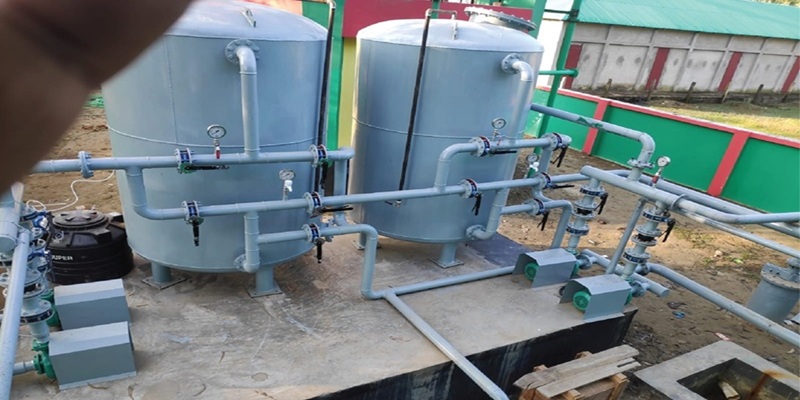
GGEL proudly partners with Katalox Light, an innovative iron removal water filter media from Germany. Combining the high-performance characteristics of Katalox Light with its economical and efficient solution for treating high levels of iron, manganese, and hydrogen sulfide, it offers easy backwashing capabilities.
The demand for Katalox Light iron removal filter media is rapidly increasing in Bangladesh and worldwide due to the pressing need for smooth and trouble-free water treatment. Groundwater in Bangladesh often contains elevated levels of iron, manganese, and arsenic making quality iron removal essential.
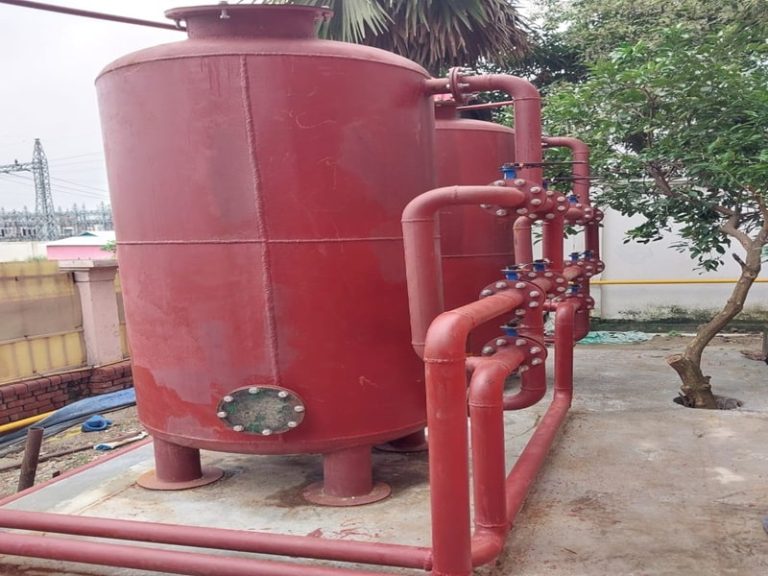
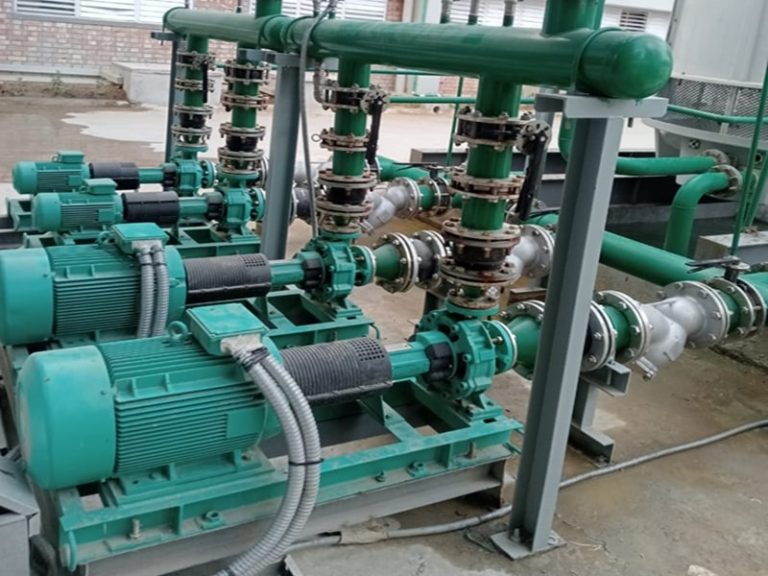
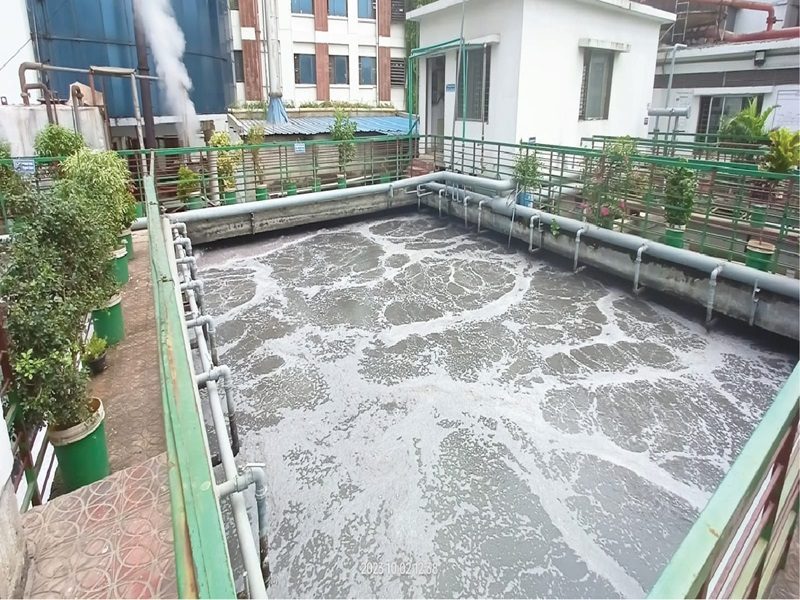
The Iron Removal Plant plays a crucial role in water treatment in Bangladesh, serving both industrial and domestic needs. Customized for various water output requirements, it is utilized in industries such as Textile & Garments, Food & Beverage, Pharmaceuticals, and Chemical Industries, as well as commercial buildings. By effectively addressing iron contamination, this solution enhances production quality and sustainability.
The primary goal of iron removal is to improve water quality by reducing iron concentrations. In water treatment, this prevents discoloration, unpleasant taste, and potential damage to pipelines and equipment. In industrial processes, it ensures raw material purity, preventing adverse effects on the final product. Removing excess iron from water not only prevents staining but also improves taste and mitigates potential health issues. In industries, iron removal safeguards raw material purity, maintaining product quality.
Katalox Light is utilized in numerous residential, commercial, industrial, and municipal systems worldwide for high-level filtration, color and odor removal, iron, manganese, and hydrogen sulfide removal, efficient reduction of arsenic, zinc, copper, lead, radium, uranium, and other heavy metals and radioisotopes. Katalox Light Iron Removal Media stands as the premier choice in the water treatment sector, catering to discerning clients in Bangladesh and beyond.
What is an iron removal plant?
Answer: An iron removal plant is a water treatment system designed to remove iron and manganese from water to improve its quality for various purposes, such as drinking industrial use.
Why is Katalox Light the premier media for iron removal plants?
Answer: Katalox Light is often considered a premier media for iron removal plants due to its high catalytic activity, excellent filtration properties, and durability. It efficiently removes iron, manganese, arsenic, hydrogen sulfide, and other impurities from water, while requiring less backwashing and maintenance compared to other media. Additionally, its high surface area and specific gravity contribute to its effectiveness in filtration processes, making it a popular choice for water treatment applications.
How does an iron removal plant work?
Ans: Iron removal plants typically use processes like oxidation, filtration, and sedimentation to remove iron and manganese ions from water. These processes can involve chemical additives, aeration, and specialized filter media to effectively remove the contaminants.
What are the common types of iron removal systems?
Ans: Common types of iron removal systems include oxidation filtration systems, greensand filtration systems, and catalytic media filtration systems. Each type employs different mechanisms to remove iron and manganese from water.
What are the benefits of installing an iron removal plant?
Ans: Installing an iron removal plant can improve water quality by eliminating metallic taste and staining caused by iron and manganese. It can also prevent damage to pipes, fixtures, and appliances due to the buildup of iron deposits.
How do I choose the right iron removal plant for my needs?
Ans: Choosing the right iron removal plant depends on factors such as the level of iron and manganese contamination in the water, the desired flow rate, and any specific water quality requirements.
What maintenance is required for iron removal plants?
Ans: Regular maintenance of iron removal plants typically involves backwashing filters, replenishing filter media, and monitoring chemical levels to ensure optimal performance. It’s also important to periodically test water quality to ensure that the system is effectively removing iron and manganese.
Can an iron removal plant be integrated with other water treatment systems?
Ans: Yes, an iron removal plant can be integrated with other water treatment systems, such as reverse osmosis systems or water softeners, to provide comprehensive water treatment tailored to specific needs and water quality requirements.
Are there any environmental considerations associated with iron removal plants?
Ans: Iron removal plants can generate waste products, such as filter media and backwash water, which may contain elevated levels of iron and manganese. Proper disposal or treatment of these waste products is important to prevent environmental contamination. Additionally, some iron removal processes may require the use of chemicals, so proper handling and disposal procedures should be followed to minimize environmental impact.
What is the importance of iron removal in water treatment plants?
Ans: Iron removal in water treatment plants is crucial to ensure the production of clean and safe drinking water. Elevated levels of iron can lead to unpleasant taste, odor, and staining of fixtures, as well as potential health risks. Implementing an efficient iron removal process helps maintain water quality standards and improves overall customer satisfaction.
What are the common methods used for iron removal in water treatment plants?
Ans: Common methods for iron removal in water treatment plants include oxidation followed by filtration, ion exchange, and chemical precipitation. Each method has its advantages and limitations, and the selection depends on factors such as the concentration of iron, water chemistry, and treatment objectives.
Can you explain the process of oxidation followed by filtration for iron removal?
Ans: Oxidation followed by filtration is a widely used method for iron removal. In this process, iron is oxidized from its soluble ferrous state (Fe^2+) to its insoluble ferric state (Fe^3+), usually through the addition of oxidizing agents such as chlorine, ozone, or potassium permanganate. The oxidized iron particles are then removed by filtration through media such as sand, anthracite, or activated carbon, resulting in clean water.
What factors should be considered when designing an iron removal plant?
Answer: When designing an iron removal plant, factors such as the concentration and type of iron present in the water, flow rate, pH, temperature, and the presence of other contaminants should be carefully considered. Additionally, the selected treatment method should be cost-effective, efficient, and compliant with regulatory standards.