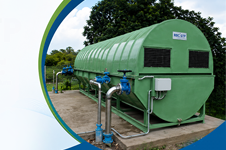
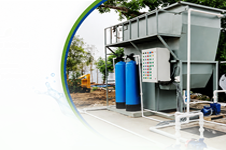
Water is one of the world's most valuable natural resources, yet rapid urbanization, industrial expansion, and population growth have significantly increased the generation of wastewater. Every residential building, commercial complex, hospital, hotel, educational institution, and industrial facility produces sewage every day. If this wastewater is discharged untreated into rivers, lakes, canals, or the environment, it causes severe pollution, destroys aquatic ecosystems, contaminates groundwater, spreads diseases, and threatens public health.
An STP Plant (Sewage Treatment Plant) is the most effective engineering solution for collecting, treating, and recycling domestic wastewater before it is safely discharged or reused. Modern STP Plants combine biological, mechanical, and chemical treatment processes to remove contaminants, suspended solids, harmful bacteria, organic matter, nitrogen, phosphorus, and unpleasant odors from sewage. The treated water can then be reused for gardening, toilet flushing, cooling systems, construction work, landscape irrigation, and many other non-potable applications, significantly reducing freshwater consumption.
As environmental regulations become stricter and water scarcity becomes a growing concern, investing in an efficient STP Plant has become a necessity rather than a choice. Whether it is a high-rise residential building, hospital, hotel, shopping mall, university, garment factory, pharmaceutical industry, or municipality, installing a properly designed Sewage Treatment Plant ensures environmental compliance, sustainable water management, and long-term operational savings.
Green Genesis Engineering Limited is one of the leading environmental engineering companies in Bangladesh, specializing in the design, manufacturing, installation, commissioning, and maintenance of advanced STP Plants. With extensive engineering expertise and innovative treatment technologies, we provide customized sewage treatment solutions that deliver reliable performance, energy efficiency, and compliance with both national and international environmental standards.
An STP Plant (Sewage Treatment Plant) is a wastewater treatment system specifically designed to treat domestic sewage and municipal wastewater before it is released into the environment or reused. Domestic sewage contains a mixture of organic waste, suspended solids, oils, grease, detergents, pathogens, nutrients, and other contaminants that must be removed to protect public health and natural water resources. The primary objective of an STP Plant is to transform contaminated wastewater into environmentally safe treated water by employing a combination of physical, biological, and chemical treatment processes. Modern STP systems effectively reduce Biochemical Oxygen Demand (BOD), Chemical Oxygen Demand (COD), Total Suspended Solids (TSS), ammonia, nitrogen, phosphorus, and disease-causing microorganisms.
Unlike industrial wastewater treatment plants, which are designed to handle complex industrial effluents, an STP Plant primarily treats sewage generated from:
After treatment, the water can be safely discharged according to environmental standards or reused for various purposes, helping organizations conserve water and reduce operational costs.
STP stands for Sewage Treatment Plant. It is a specialized wastewater treatment facility designed to remove contaminants from domestic sewage generated by human activities such as bathing, cooking, washing, toilet flushing, and cleaning. The main objectives of an STP Plant include:
Today, STP Plants play a vital role in sustainable urban development and responsible wastewater management worldwide.
As cities continue to expand and freshwater resources become increasingly scarce, wastewater treatment has become a critical environmental priority. Every day, enormous quantities of sewage are generated from homes, offices, hospitals, hotels, educational institutions, and commercial establishments. Without proper treatment, this sewage pollutes rivers, lakes, groundwater, and agricultural land, creating serious environmental and public health challenges.
An STP Plant is designed to eliminate these risks by treating sewage before it is discharged or reused. It removes harmful contaminants, reduces pollution, protects aquatic ecosystems, and helps organizations comply with environmental regulations.
In addition to protecting the environment, STP Plants also contribute to sustainable water management by enabling treated water to be reused for irrigation, landscaping, cooling systems, toilet flushing, and industrial processes. This reduces dependence on freshwater resources and lowers overall water consumption.
For businesses, institutions, and residential communities, investing in a high-quality STP Plant is not only an environmental responsibility but also a smart long-term investment that improves operational efficiency and supports sustainable development.
Modern buildings consume significant amounts of water every day. A large portion of this water becomes sewage after use in toilets, kitchens, bathrooms, laundries, and cleaning activities. Instead of discharging untreated sewage into drains or nearby water bodies, a modern STP Plant treats the wastewater and converts it into reusable water. This approach offers several benefits:
For large residential complexes, hospitals, hotels, universities, and industrial facilities, an STP Plant is now considered an essential infrastructure component rather than an optional investment.
Environmental conservation is one of the most important reasons for installing a Sewage Treatment Plant. Untreated sewage contains harmful organic matter, nutrients, bacteria, viruses, chemicals, and suspended solids that can severely damage ecosystems when released into rivers, lakes, canals, or groundwater.
An efficient STP Plant significantly reduces pollution by removing these contaminants before the water is discharged. This protects aquatic life, prevents oxygen depletion in natural water bodies, reduces foul odors, and minimizes the spread of waterborne diseases.
Furthermore, treated water from an STP Plant can be reused for irrigation, landscaping, cooling towers, and other non-potable applications, reducing the demand for freshwater extraction from rivers and underground aquifers.
By minimizing pollution and promoting water recycling, STP Plants play a key role in achieving sustainable environmental management and supporting global efforts to combat water scarcity and climate change.
Bangladesh is experiencing rapid urbanization, industrial growth, and population expansion. Major cities such as Dhaka, Chattogram, Gazipur, Narayanganj, Khulna, Rajshahi, Sylhet, and Cumilla generate enormous volumes of domestic sewage every day.
Unfortunately, a significant portion of this wastewater is still discharged into nearby rivers and canals without adequate treatment, contributing to severe water pollution, unpleasant odors, environmental degradation, and public health risks.
The need for modern STP Plants in Bangladesh has become increasingly urgent due to several factors:
High-rise residential buildings, commercial complexes, hospitals, hotels, universities, and shopping malls are being developed across the country. These facilities generate substantial quantities of sewage that require proper treatment.
Although Bangladesh is known for its rivers, many regions face seasonal water shortages and declining groundwater levels. Reusing treated wastewater through STP Plants helps conserve freshwater resources.
The Department of Environment (DoE) has introduced stricter regulations regarding wastewater discharge. Installing a properly designed STP Plant helps organizations comply with environmental standards and avoid legal penalties.
Untreated sewage is a major source of bacteria, viruses, parasites, and harmful pathogens that can spread diseases such as cholera, dysentery, typhoid, and hepatitis. Effective sewage treatment greatly reduces these health risks.
Modern cities require sustainable infrastructure that balances economic growth with environmental protection. STP Plants are an essential part of green urban development and responsible water management.
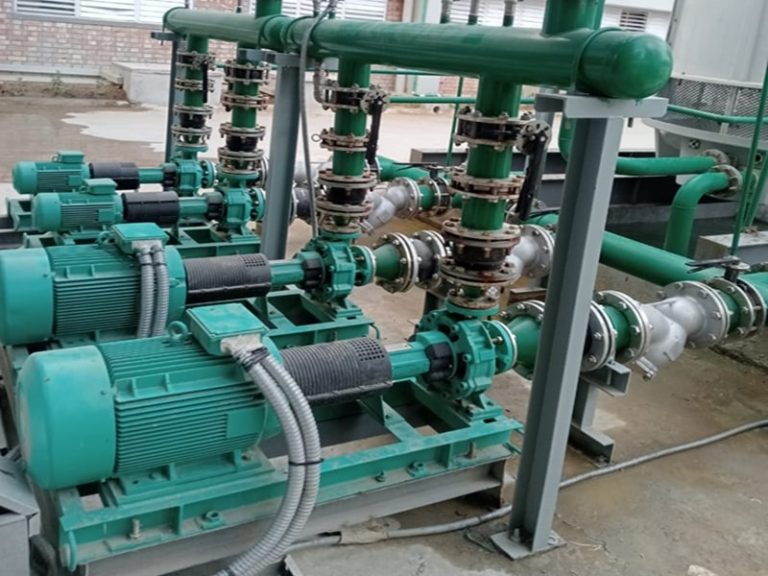
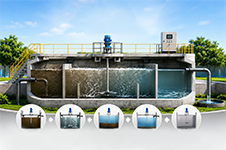
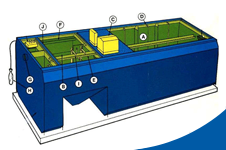
A modern STP Plant consists of several interconnected units that work together to remove contaminants from wastewater efficiently. The main components typically include:
Each component performs a specific function to ensure the treated water meets the required discharge or reuse standards.
Selecting the right STP Plant technology is one of the most important decisions when planning a sewage treatment system. The performance, operational cost, energy consumption, land requirement, maintenance, and treated water quality largely depend on the treatment technology selected.
Different sewage treatment technologies are suitable for different applications. For example, residential apartments may require a compact and low-maintenance system, while hospitals, hotels, commercial buildings, industrial facilities, and municipalities often require advanced treatment technologies capable of producing high-quality treated water.
At Green Genesis Engineering Limited, we carefully evaluate wastewater characteristics, available land area, treatment objectives, budget, future expansion plans, and regulatory requirements before recommending the most suitable STP Plant technology. The most widely used STP Plant technologies include:
Each technology offers unique advantages and is designed to meet different wastewater treatment requirements.
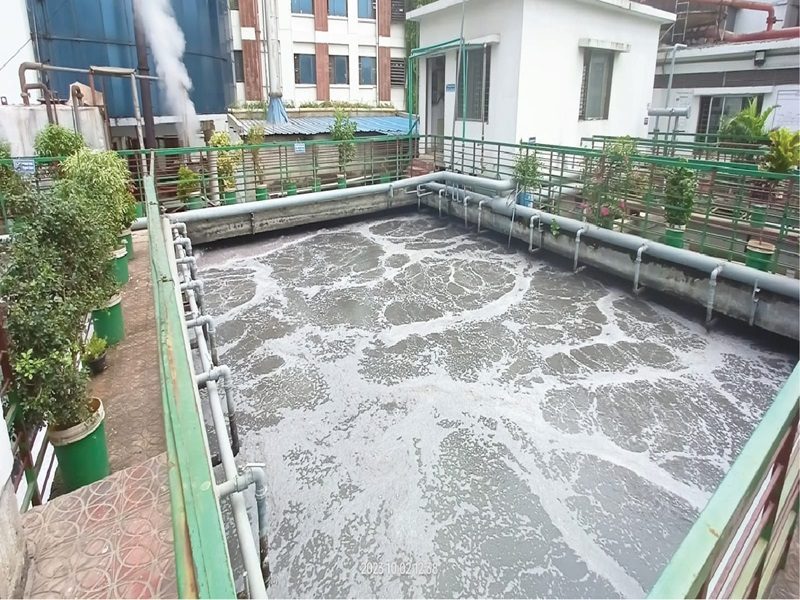
The Moving Bed Biofilm Reactor (MBBR) is one of the most popular and reliable sewage treatment technologies used worldwide. It combines the advantages of conventional activated sludge systems with advanced biofilm treatment. In an MBBR STP Plant, specially designed floating plastic bio-media move freely inside the aeration tank. Beneficial microorganisms grow on the surface of these carriers, forming a biofilm that efficiently decomposes organic pollutants present in sewage. As wastewater passes through the reactor, the microorganisms consume biodegradable contaminants, significantly reducing BOD, COD, ammonia, and suspended solids.
The Membrane Bioreactor (MBR) represents one of the most advanced sewage treatment technologies available today. It combines biological wastewater treatment with membrane filtration. Instead of using a conventional clarifier, MBR systems use ultrafiltration or microfiltration membranes to separate treated water from activated sludge. The result is crystal-clear treated water with extremely low turbidity, suspended solids, bacteria, and pathogens.
The Sequencing Batch Reactor (SBR) is a batch-operated biological treatment technology where different treatment processes occur in the same reactor. Unlike continuous flow systems, SBR performs filling, aeration, settling, decanting, and sludge removal sequentially within a single tank. This technology offers high treatment efficiency while reducing the number of treatment units.
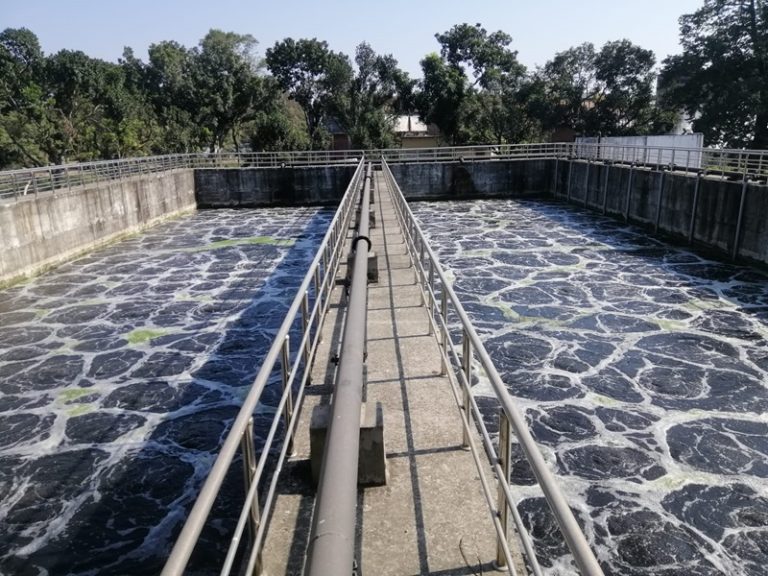
The Activated Sludge Process (ASP) is one of the oldest and most widely adopted biological wastewater treatment technologies. It uses aeration tanks where microorganisms degrade dissolved organic pollutants. The treated water then flows into a secondary clarifier where sludge settles and is partially recycled back into the aeration tank.
Extended Aeration is a modified Activated Sludge Process where wastewater remains in the aeration tank for a longer duration. The longer retention time allows microorganisms to stabilize organic matter more effectively while producing significantly less sludge.
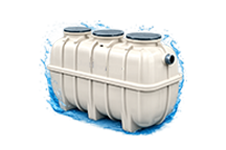
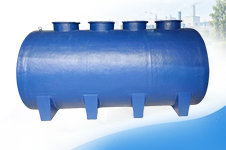
The Johkasou STP System, originally developed in Japan, is a compact, factory-fabricated sewage treatment solution designed for decentralized wastewater treatment. Johkasou combines multiple treatment stages inside a single FRP tank.
Rotating Biological Contactor technology utilizes slowly rotating discs partially submerged in wastewater. Microorganisms grow on the disc surfaces and remove organic pollutants as the discs rotate between wastewater and air.
Although treatment technologies vary, the basic treatment sequence remains similar for most modern STP Plants.
Wastewater from toilets, kitchens, washrooms, laundries, and drainage systems is collected through underground sewer networks and directed to the inlet chamber.
Large solid materials are removed using coarse and fine screens. Screening removes:
This protects downstream pumps and equipment.
Heavy inorganic materials such as:
are removed inside the grit chamber.
The equalization tank balances variations in sewage flow and pollutant concentration. Its functions include:
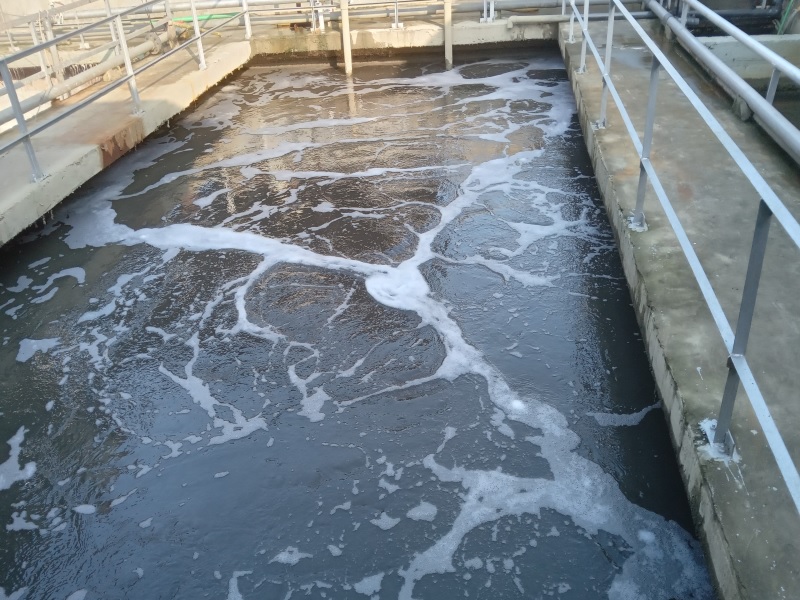
This is the heart of the STP Plant. Beneficial microorganisms consume:
Depending on the technology, biological treatment may occur in:
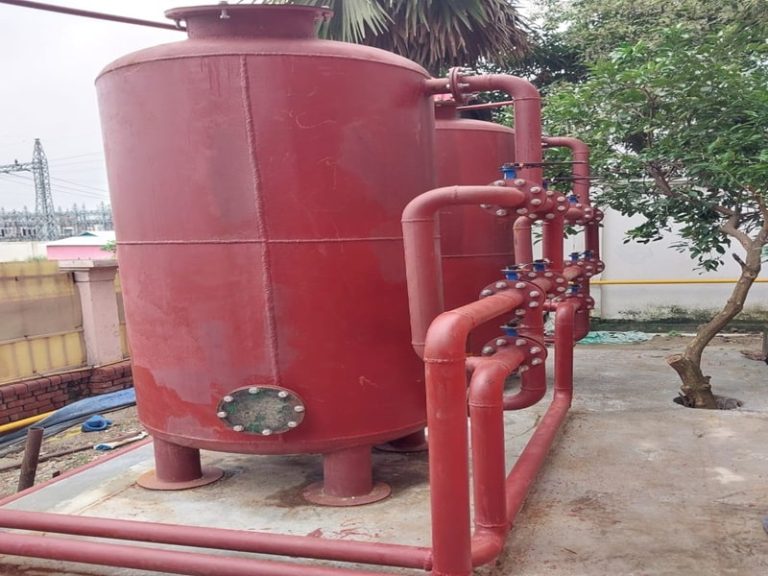
Additional polishing improves water quality. Typical filtration units include:
These remove:
Before reuse or discharge, harmful microorganisms are destroyed.Common methods include:
The treated water is stored inside a clean water tank. It can be reused for:
Sewage treatment generates biological sludge. Proper sludge management is essential for environmental compliance. Typical sludge treatment includes:
After stabilization, sludge may be disposed of according to environmental regulations or used in approved applications where appropriate.
Designing an efficient STP Plant requires a detailed engineering evaluation. Every project has unique wastewater characteristics, site conditions, and operational requirements, so a customized approach is essential. A well-designed plant ensures reliable performance, lower operating costs, and compliance with environmental regulations. Key factors considered during STP Plant design include:
A thorough engineering assessment helps determine the most appropriate treatment technology, equipment size, and automation level.
Choosing the correct plant capacity is crucial. An undersized STP may fail to meet treatment standards during peak usage, while an oversized plant can increase capital and operating costs unnecessarily. Capacity selection is generally based on:
STP Plants are commonly available in capacities ranging from 5 KLD to several thousand KLD, depending on project requirements.
Modern STP Plants increasingly use automation to improve efficiency, reduce manual intervention, and ensure consistent treatment performance. Advanced automation features may include:
Automation enhances reliability, minimizes operational errors, and allows operators to monitor plant performance in real time.
Installing an STP Plant offers numerous environmental, economic, and operational advantages. Beyond meeting regulatory requirements, a well-designed sewage treatment system helps organizations conserve water, reduce operating costs, and enhance sustainability. As water scarcity and environmental concerns continue to grow, investing in an STP Plant has become a strategic decision for businesses, institutions, residential communities, and municipalities.
An STP Plant prevents untreated sewage from contaminating rivers, lakes, canals, wetlands, and groundwater. By removing organic pollutants, harmful microorganisms, and suspended solids, it helps preserve aquatic ecosystems and reduces the risk of environmental degradation.
One of the greatest benefits of an STP Plant is water reuse. Treated wastewater can be safely used for:
Reusing treated water significantly reduces dependence on freshwater sources and lowers water bills.
Government authorities increasingly require organizations to treat sewage before discharge. A properly designed STP Plant helps businesses comply with environmental regulations, avoid penalties, and demonstrate responsible environmental stewardship.
Untreated sewage can spread waterborne diseases such as cholera, dysentery, typhoid, and hepatitis. An efficient STP Plant removes disease-causing microorganisms, protecting both public health and the surrounding environment.
Although installing an STP Plant requires an initial investment, it delivers long-term financial benefits by reducing freshwater consumption, lowering wastewater disposal costs, and minimizing environmental compliance risks.
STP Plants support green building initiatives and sustainable urban development by promoting wastewater recycling, reducing pollution, and conserving natural resources.
Modern STP Plants are widely used across various sectors. Common applications include:
Each application requires a customized design based on wastewater characteristics, treatment capacity, and discharge standards.
Even the most advanced STP Plant requires regular operation and maintenance to ensure optimal performance and compliance with environmental standards. Proper O&M improves treatment efficiency, extends equipment life, and minimizes downtime.
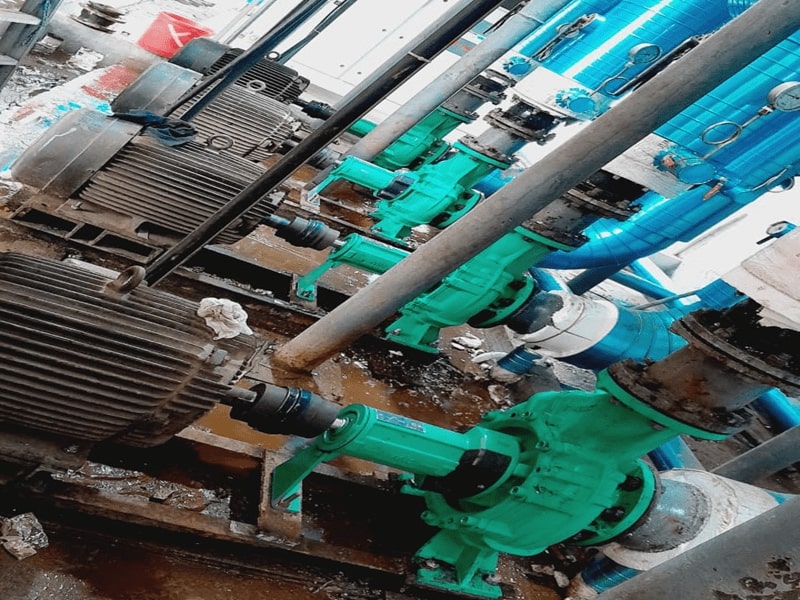
Preventive maintenance reduces unexpected failures and ensures uninterrupted operation. It includes:
A preventive maintenance schedule helps maximize equipment lifespan and reduce repair costs.
Like any engineering system, STP Plants may experience operational challenges. Understanding these issues and implementing corrective measures ensures consistent treatment performance.
Choosing the right engineering partner is as important as selecting the right treatment technology. At Green Genesis Engineering Limited, we combine technical expertise, practical experience, and customer-focused solutions to deliver reliable and sustainable wastewater treatment systems.
Our Strengths
Whether your project is a residential building, commercial complex, hospital, industrial facility, or municipal development, we provide solutions tailored to your specific requirements.
One of the most common questions from customers is: "How much does an STP Plant cost?" The cost depends on several factors, including:
Because every project has unique requirements, the most accurate approach is to conduct a technical assessment before preparing a detailed proposal.
Green Genesis Engineering Limited follows a structured project implementation process to ensure quality, efficiency, and timely delivery.
Our engineers assess wastewater generation, site conditions, and project objectives.
We analyze wastewater characteristics and recommend the most appropriate treatment technology.
Our engineering team prepares detailed process designs, equipment layouts, piping plans, and electrical drawings.
High-quality equipment is manufactured or sourced from trusted suppliers.
Our experienced technicians install all mechanical, electrical, and process equipment according to approved designs.
We conduct comprehensive performance testing to verify treatment efficiency and compliance.
Plant operators receive practical training on system operation, monitoring, troubleshooting, and routine maintenance.
We provide ongoing technical support, maintenance services, spare parts, and system optimization.
As environmental regulations become stricter and water resources become more limited, the demand for advanced STP Plants will continue to grow. Emerging trends include:
These innovations will make future STP Plants more efficient, sustainable, and cost-effective.
An STP Plant (Sewage Treatment Plant) treats domestic wastewater before it is discharged or reused.
It protects the environment, conserves water, and ensures compliance with environmental regulations.
An STP treats domestic sewage, while an ETP (Effluent Treatment Plant) treats industrial wastewater.
The best technology depends on wastewater quality, available space, budget, and reuse requirements. MBBR, MBR, and SBR are among the most popular options.
Yes. Treated water can be reused for landscaping, toilet flushing, cooling towers, construction, and other non-potable applications.
Capacity depends on daily sewage generation, occupancy, and water consumption.
Routine inspections should be carried out daily, while preventive maintenance should follow a planned schedule.
Yes. It significantly reduces pollution and promotes sustainable water management.
With proper maintenance, a well-designed STP Plant can operate efficiently for 20–30 years or more.
Modern automated systems require minimal operator intervention, but trained personnel are recommended for optimal performance.
BOD (Biochemical Oxygen Demand) and COD (Chemical Oxygen Demand) are key indicators of wastewater pollution.
Yes. Proper biological treatment and aeration significantly reduce unpleasant odors.
No. Standard STP-treated water is intended for non-potable reuse unless additional advanced purification systems are installed.
Sludge is the solid by-product generated during wastewater treatment.
Aeration supplies oxygen to microorganisms that break down organic pollutants.
MBBR uses floating bio-media to support microorganism growth for efficient biological treatment.
MBR combines biological treatment with membrane filtration to produce high-quality treated water.
Residential, commercial, healthcare, hospitality, educational, and industrial sectors all benefit from STP Plants.
Yes. Reusing treated wastewater lowers freshwater consumption and operating costs.
A qualified environmental engineering company with expertise in design, installation, commissioning, and after-sales support. An STP Plant is more than just a wastewater treatment system—it is a critical investment in environmental protection, public health, and sustainable development. As urbanization and industrialization continue to expand across Bangladesh, responsible sewage management has become an essential requirement for residential communities, commercial establishments, healthcare facilities, educational institutions, and industrial projects.
By treating sewage effectively, an STP Plant reduces pollution, conserves valuable freshwater resources, supports regulatory compliance, and enables safe water reuse. Selecting the right treatment technology and partnering with an experienced engineering company are key to achieving long-term operational efficiency and environmental sustainability.
At Green Genesis Engineering Limited, we are committed to delivering innovative, reliable, and customized STP Plant solutions that meet the highest standards of quality and performance. From initial consultation and engineering design to installation, commissioning, operation, and after-sales support, we provide complete turnkey services tailored to your project's unique requirements.
If you are planning a new development or upgrading an existing wastewater treatment system, our experienced team is ready to help you build a cleaner, greener, and more sustainable future.