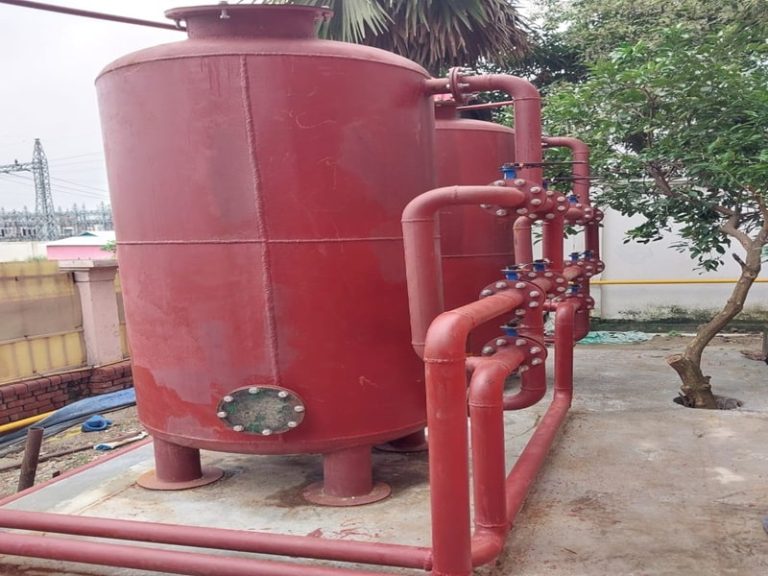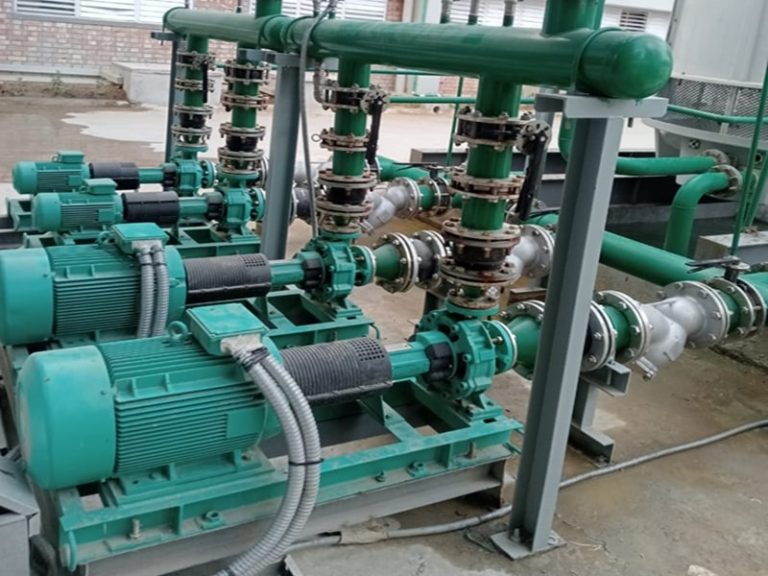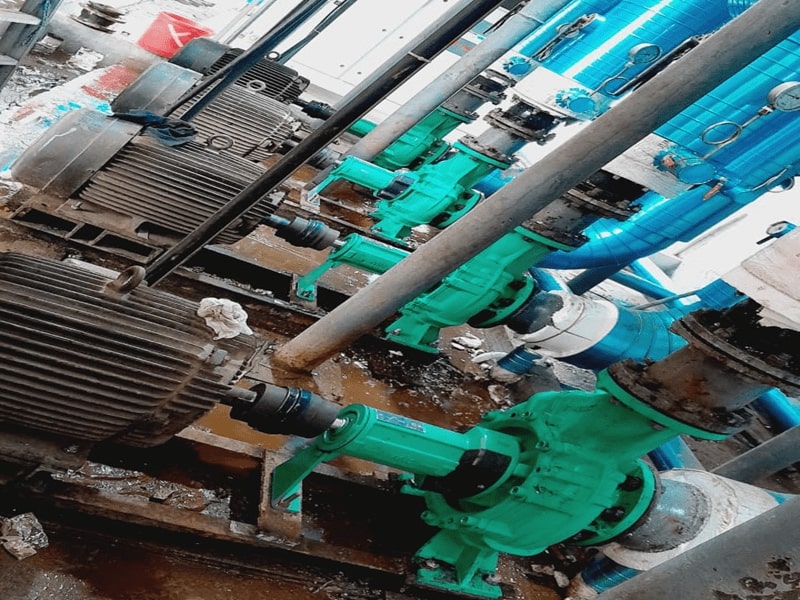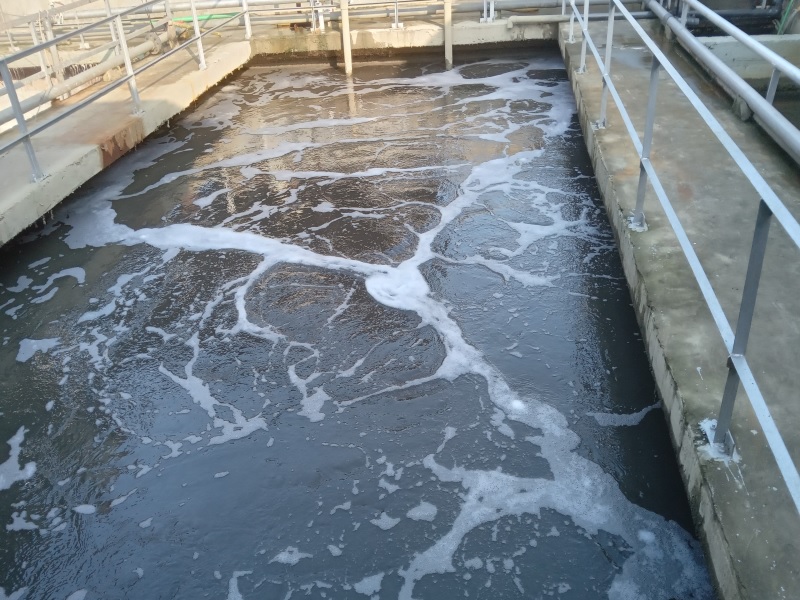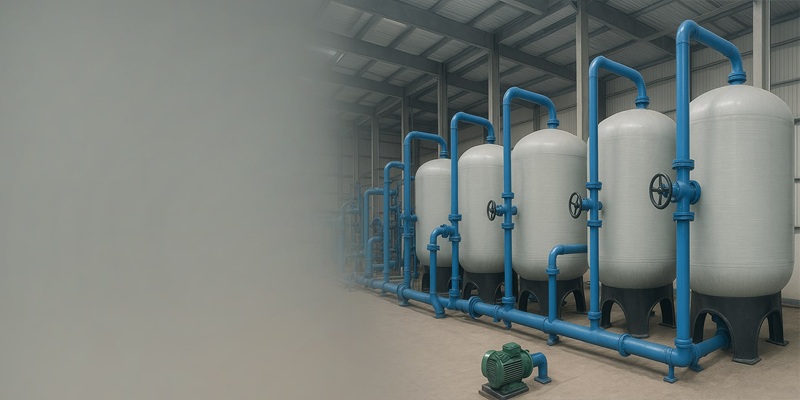
A modern process of water softener system where uses an ion exchange to eliminate the contamination hardness in water. That is combination of calcium and magnesium of water. Water softener System can replace them with sodium or potassium ions to prevent scale backlog. When hardness is contained in water it calls hard water. When water is hard, it makes clogging the pipes, damage boilers system, damage heat exchangers, and many other devices as well. In this situation the Water Softener System can prevent these damages. Hardness contained water makes a higher risk of lime scale deposits in industrial, commercial and household water systems that are no doubt. Our ultra-modern technology of Water softener system is 100% capable of working to their fullest capacity for long times. Our exclusive water softener system is considered for extreme robustness and consistency in regards to system malfunction. Other advantages that a water softening equipment supplier provides include.
How the process works
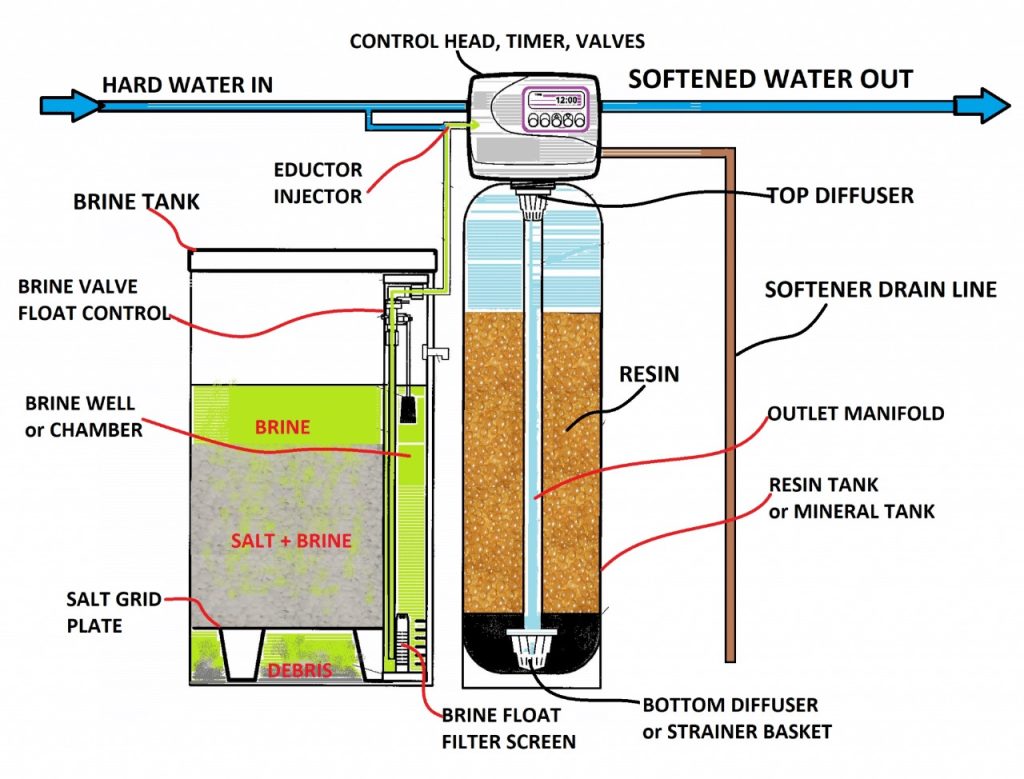
- A water softener system mostly works by using an ion exchange process. Hard water have to pass from raw water tank through a tank filled by feed pump with resin beads that have a negative charge. These ion exchange resin beads are pre-coated with positively charged by sodium ions.
- The combination of calcium and magnesium minerals in the hard water are also positively charged, but they are more attracted to the resin beads than the sodium ions.
- As the water flows, the calcium and magnesium ions "stick" to the ion exchange resin beads, displacing the sodium ions, which are then released into the water. The water that exits the tank is now "soft".
- The ion exchange Resin bed also require to regeneration. Over time, the ion exchange resin beads convert saturated with calcium magnesium and it require to be cleaned by backwashing system.
- A concentrated solution of industrial sodium chloride is flushed through the tank.
- The high concentration of sodium ions in the sodium chloride solution forces the calcium and magnesium ions off the resin beads and sends them down the drain.
- This process recharges the resin beads with sodium ions, and the system is ready to soften water again.
Maintenance of Water Softener Plant
- The primary maintenance task of Water Softener Plant is need to add bags of salt that call sodium Chloride to the brine tank as needed to keep it filled for the regeneration process.
- It also need backwash regularly. The process of backwash can be fully automatic, manual or semi-automatic.
- Modern system of regeneration in water softener plant can automatically time regeneration cycles based on water usage to ensure a steady supply of soft water. It can regenerate based on flow as well.
Benefits of Water Softener Plant
- WSP is reduce scale accumulation in pipes, dishwashers, and water heaters, extending their lifespan and improving efficiency.
- It change the water feel. After treatment it makes softer, leading to silkier hair and skin and softer laundry.
- After treatment it allows soaps, detergents, and shampoos to lather more effectively, which can lead to using less product.
- Soft water prevents spotting. It Eliminates the mineral spots that hard water can leave on dishes and fixtures.
Application of a water softener
Water softener systems are frequently applied in a variety of settings, such as residential applications, industrial applications, commercial applications and agriculture applications. The main aim of using water softener system is preventing mineral buildup in plumbing and appliances, improving cleaning efficiency for soaps and detergents, and extending the lifespan of water-using equipment in homes, businesses, and factories.
Residential applications
- Home plumbing: Prevents scale and spotting buildup inside pipes, fixtures, and water heaters, which can lead to leaks and clogged pipes.
- Appliances: It extends the life time of home appliances like washing machines and dishwashers by preventing mineral deposits.
- Cleaning: Improves the lathering of soaps and detergents, resulting in less soap scum and cleaner dishes and glasses.
- Personal care: Leads to softer skin and smoother hair after showering.
Commercial and industrial applications
- Boilers and cooling towers: Prevent scale buildup to maintain efficiency and extend the life of equipment.
- Food and beverage industry: Ensures consistent taste, quality, and compliance with safety standards.
- Textile industry: Enhances dyeing and finishing processes by preventing mineral interference.
- Pharmaceuticals: Delivers pure water that meets stringent production requirements.
- Automobile and metal industries: Prevents spotting during washing and coating processes.
- Hospitality and laundries: Improve cleaning quality, reduces detergent usage, and prevents damage to fabrics.
Agricultural applications
Irrigation systems: Prevents mineral buildup in irrigation pipes and systems, ensuring consistent water flow and improving crop yields.