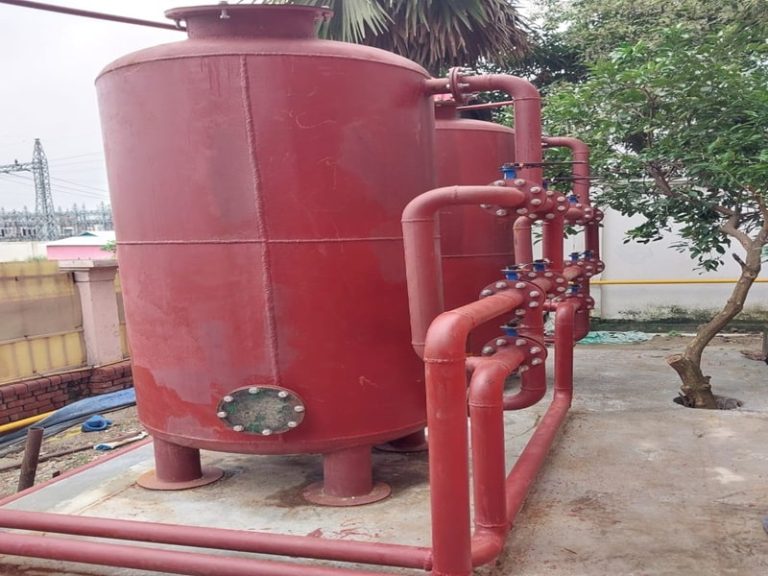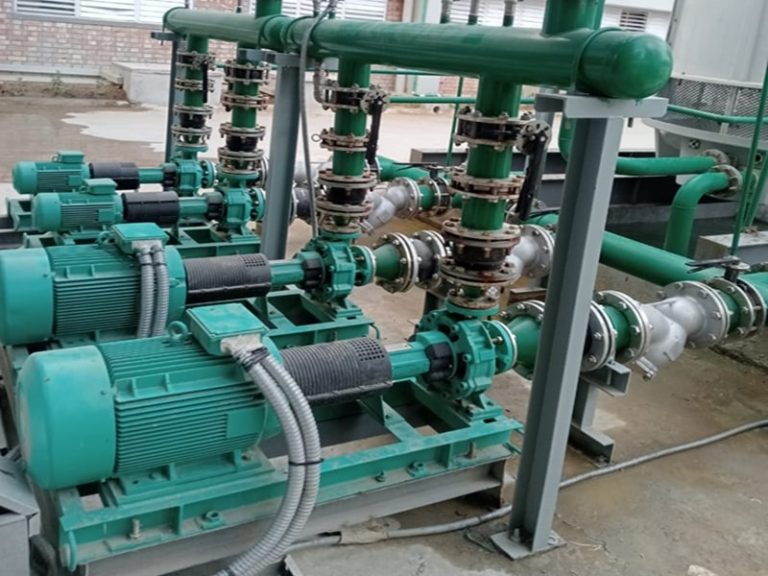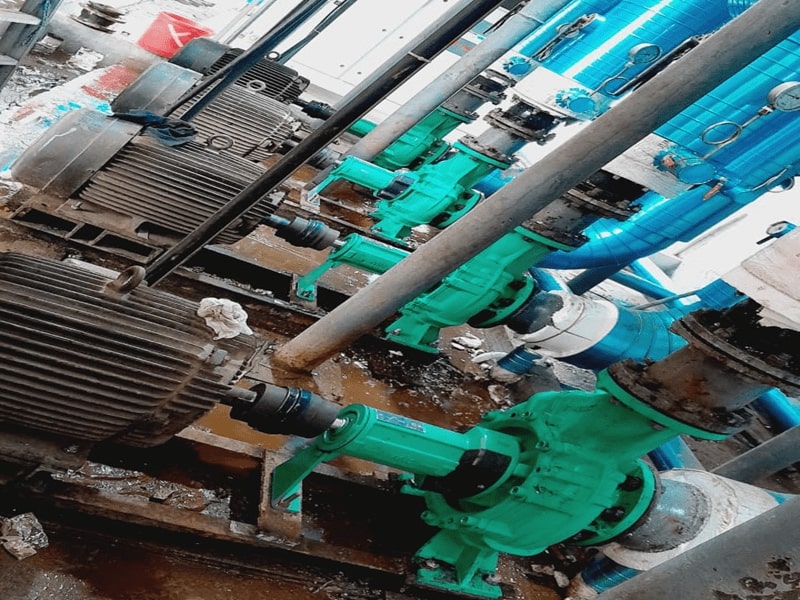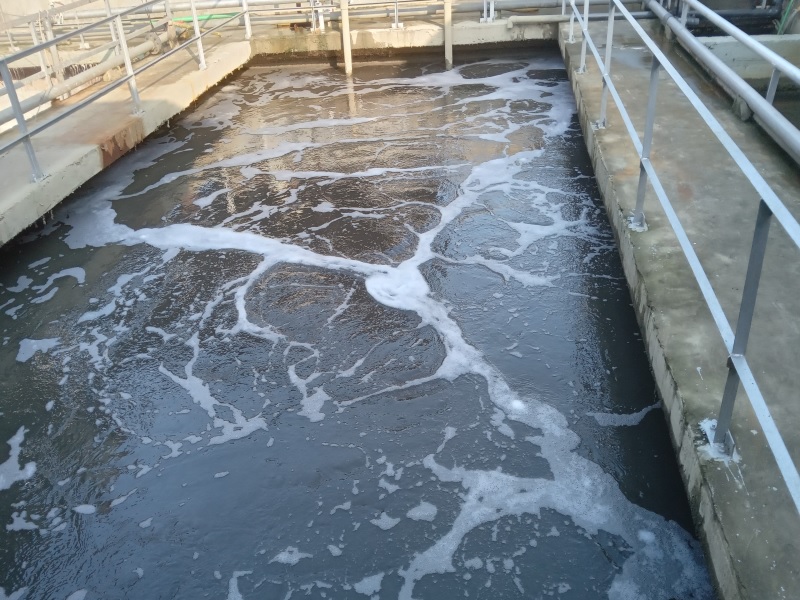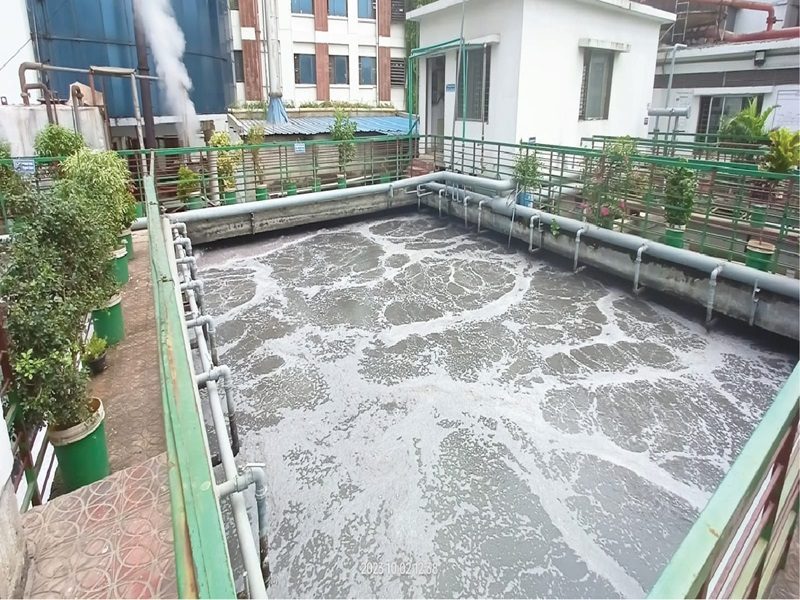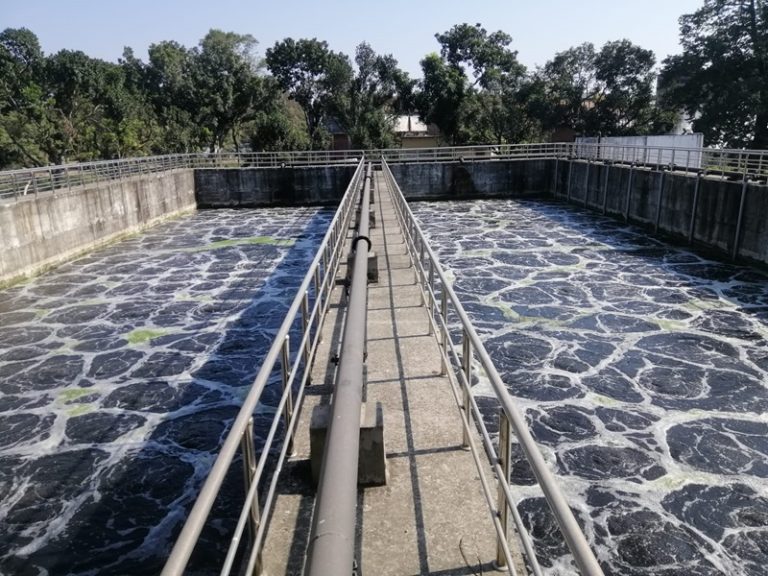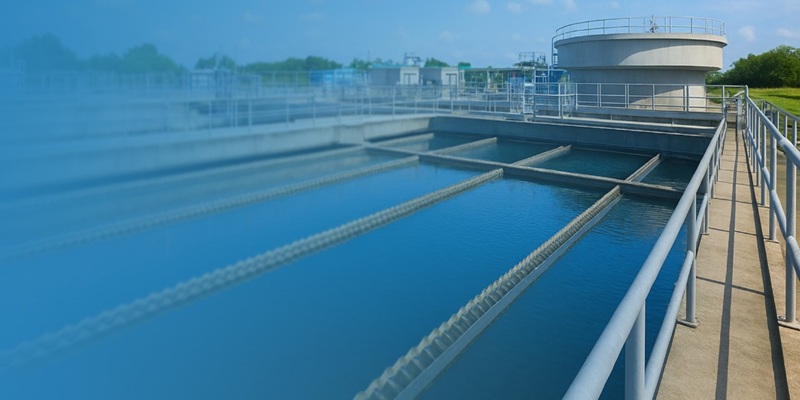
Surface Water Treatment Plant purifies the contamination water from surface sources. Surface source can be pond, rivers, lakes or any open source. The treated water can use for human consumption, industrial process and others uses through a multi-step process. Surface water can be treated in varies ways. Actually, Surface Water Treatment process depends of nature of raw water. The mostly treatment process are coagulation, flocculation, sedimentation, and filtration. Here have to use also disinfection to kill remaining microbiological contamination before the water is stored and distributed.
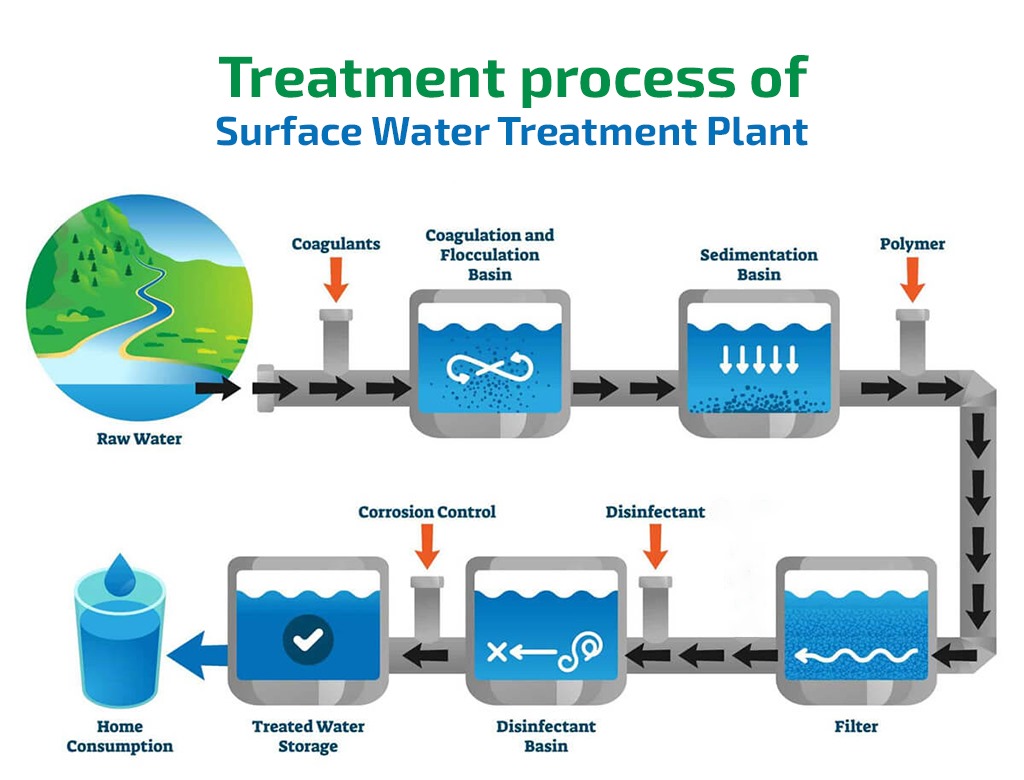
Treatment process of Surface Water Treatment Plant
Intake and screening:
At first raw water have to collect from the source and passes through screens to remove visible large debris like leaves and trash.
Coagulation:
Have to coagulated by chemicals mixing such as alum or polymers are added to the water to neutralize and bind with smaller suspended particles.
Flocculation:
The water is gently mixed to encourage the small, neutralized particles to clump together into larger, heavier masses called “flocs”.
Sedimentation:
The water flows slowly through a basin, allowing the heavy flocs to settle to the bottom, where they can be removed as sludge.
Filtration:
The water passes through filters, typically made of sand, gravel, and charcoal, to remove any remaining suspended particles and impurities.
Disinfection:
A disinfectant, such as chlorine, is added to kill any remaining harmful microorganisms like bacteria, viruses, and protozoa. Some plants may use other methods like UV sterilization.
Storage and distribution:
The treated water is stored in clear wells or reservoirs and then pumped to homes and businesses for consumption. Optional steps like fluoridation may also be performed.
Challenge of Surface Water Treatment Plant
In Bangladesh, surface water sources typically include creeks, rivers, streams, lakes, ocean water and marshland areas. This type of water generally contains very low mineral content and is often referred to as “soft water.” However, surface water is highly susceptible to contamination from a wide range of pollutants such as industrial effluents, pesticides, animal waste, algae and other organic materials. The level of vulnerability is so high that even water from apparently pristine mountain streams can be polluted by natural decay or animal activities.
Due to this susceptibility, treating surface water requires substantial time, careful monitoring and the use of advanced treatment technologies. Multiple stages of purification are necessary to ensure the water becomes safe and suitable for public consumption. As a result, surface water treatment plants must operate with rigorous processes, robust infrastructure and continuous quality control to deliver potable water reliably.
Water treatment is any process that improves the quality of water to make it appropriate for a specific end-use. The end use may be drinking, industrial water supply, irrigation services, river flow maintenance, water recreation or many other uses, including being safely returned to the environment.