Introduction
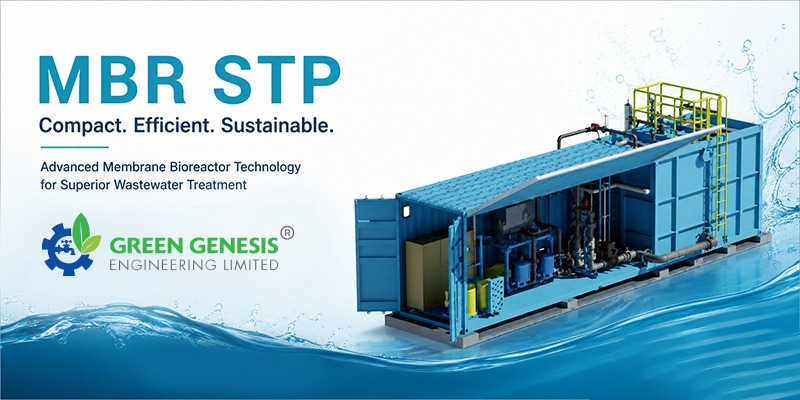
In today’s rapidly urbanizing and environmentally conscious world, effective wastewater management has become a critical priority for sustainable development. Growing populations, industrial expansion, and stricter regulatory requirements have made conventional treatment methods insufficient for many applications. Green Genesis Engineering Limited, a specialized environmental engineering company in Bangladesh, offers world-class Membrane Bioreactor Sewage Treatment Plants (MBR STP). Our MBR systems integrate cutting-edge biological treatment with advanced membrane filtration technology to deliver consistently superior effluent quality, resource recovery, operational efficiency, and long-term reliability for both domestic and industrial clients.
What is MBR STP?
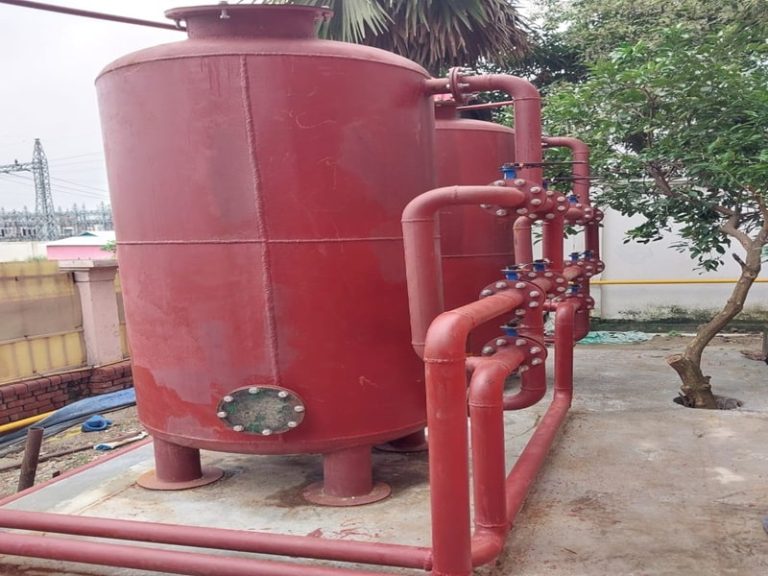
Membrane Bioreactor (MBR) technology represents a significant evolution in wastewater treatment. It combines the conventional activated sludge biological process with highly efficient membrane filtration, typically using microfiltration or ultrafiltration membranes. This integration eliminates the need for large secondary clarifiers used in traditional systems, resulting in a more compact, high-performance solution that produces treated water of exceptional clarity and purity. MBR technology has gained global recognition for its ability to handle complex wastewater streams while achieving near-complete removal of suspended solids, organic pollutants, and pathogens. At Green Genesis, we customize each MBR STP to address local challenges such as high organic loads, seasonal variations in wastewater characteristics, and space constraints commonly faced in Bangladesh and regional markets.
Process Flow Diagram
Raw Sewage Inlet
↓
Preliminary Treatment (Mechanical bar screens 5–10 mm + Grit chamber + Flow equalization tank)
↓
Biological Aeration Tank (Anoxic/Aerobic zones with fine bubble diffusers for nutrient removal)
↓
Membrane Filtration Zone (Submerged Hollow Fiber or Flat Sheet Membranes)
↓
Permeate Extraction (Suction pumps) → Optional Polishing & Disinfection (UV / Chlorination) → High-Quality Treated Water for Reuse or Safe Discharge
↓
Excess Sludge → Sludge Holding Tank → Thickening & Dewatering (Low volume, easier handling)
This efficient, closed-loop process is fully automated for continuous operation with minimal manual intervention.
How Does Our MBR Sewage Treatment Plant System Work?
The Green Genesis MBR STP operates through a series of precisely controlled stages designed for maximum efficiency:
- Preliminary Treatment: Raw sewage first passes through mechanical screens and grit removal systems to eliminate large debris, plastics, and inorganic particles. The equalization tank then homogenizes the flow rate and organic load, protecting downstream processes from sudden surges.
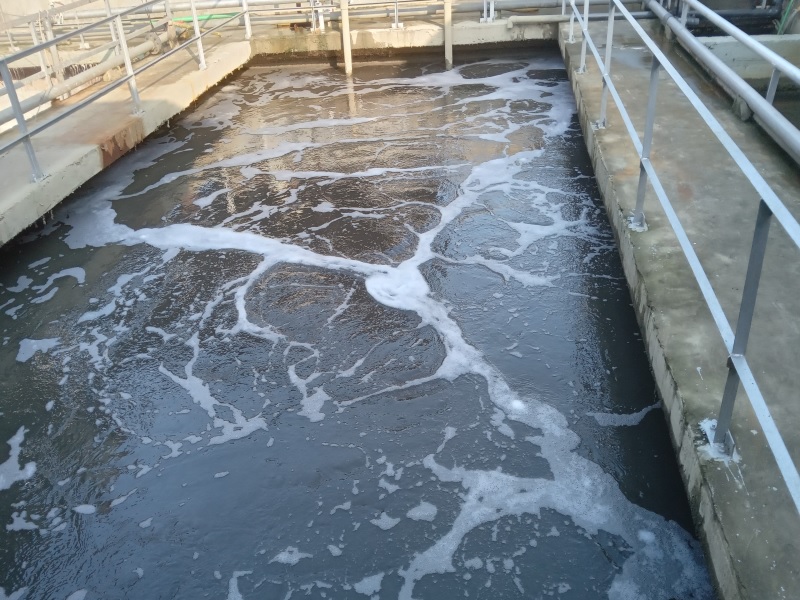
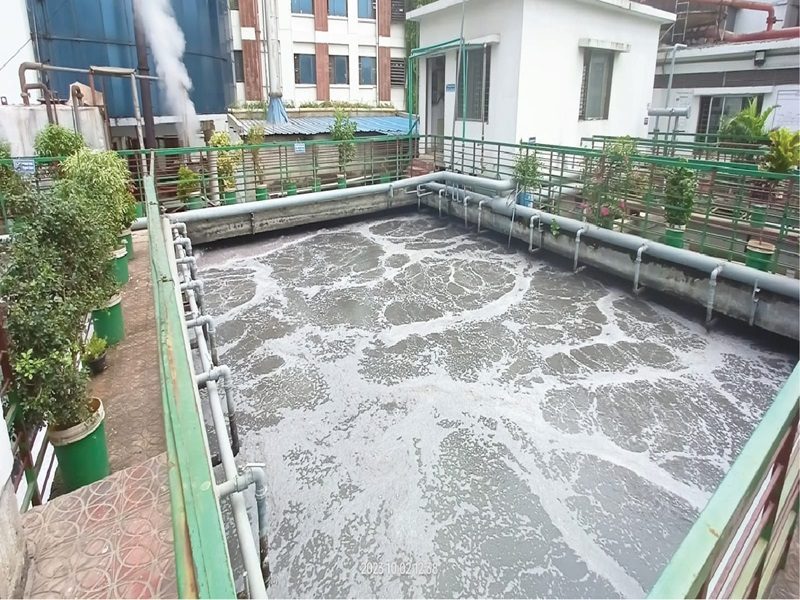
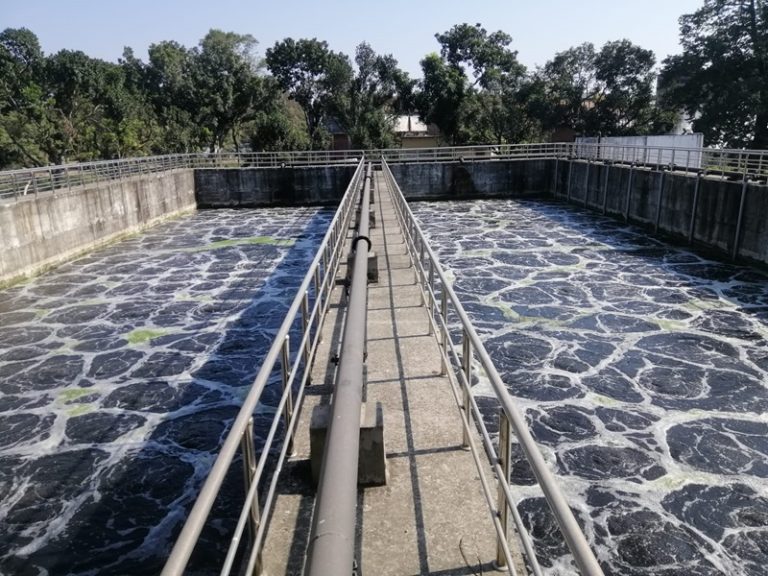
- Biological Treatment: In the aeration basin, a diverse microbial community thrives under optimized dissolved oxygen levels (typically 1.5–3.0 mg/L). This stage effectively degrades carbonaceous organic matter, performs nitrification-denitrification for nitrogen removal, and facilitates biological phosphorus uptake.
- Membrane Filtration: The mixed liquor suspended solids (MLSS concentration maintained at 8,000–12,000 mg/L) are filtered through advanced polymeric membranes with pore sizes ranging from 0.03 to 0.4 microns. This physical barrier ensures near-total retention of solids, bacteria, and most viruses.
- Permeate Withdrawal and Polishing: Clean permeate is continuously extracted and can undergo final disinfection, producing water suitable for various reuse purposes or compliant discharge.
- System Automation: Sophisticated PLC/SCADA systems continuously monitor critical parameters such as pH, dissolved oxygen, transmembrane pressure (TMP), and MLSS. This enables real-time adjustments, predictive maintenance, and remote operation capabilities.
Features of the MBR Sewage Treatment Plant
- Advanced PLC/SCADA automation with intuitive HMI touchscreen interface
- High-durability PVDF or PES membranes resistant to fouling and chemicals
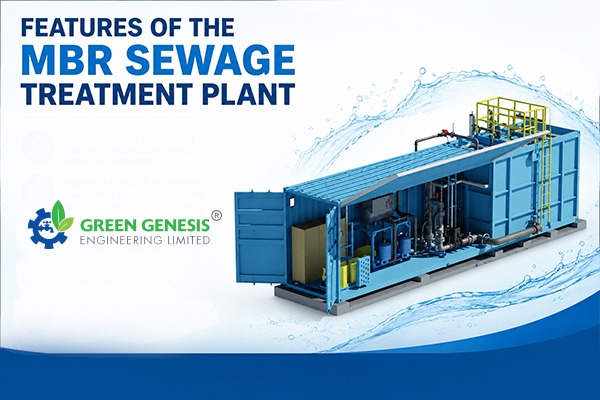
- Modular, containerized, or civil construction options for flexibility
- Robust, corrosion-resistant materials including stainless steel, UPVC, and FRP
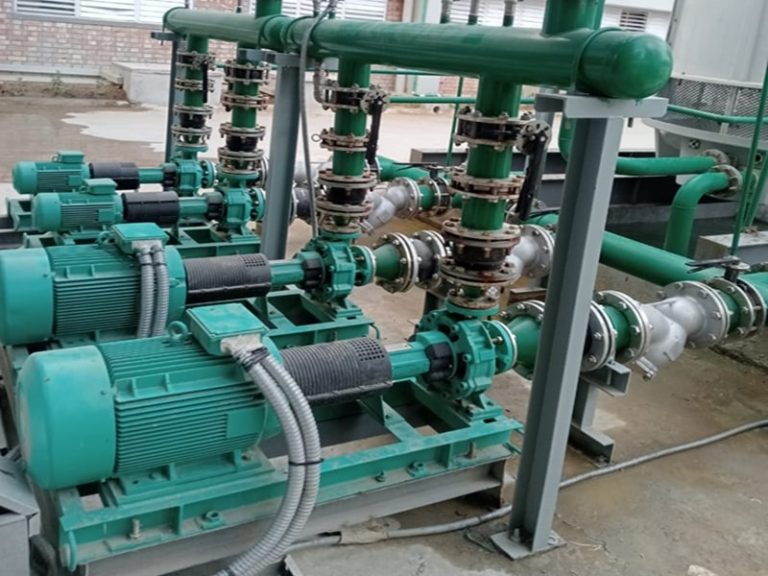
- Energy-efficient blowers and variable frequency drives (VFDs)
- Minimal noise and odor through fully enclosed design
- Integrated remote monitoring, SMS/email alerts, and data logging
- Designed to meet Bangladesh Department of Environment (DoE) and international standards
The Primary Advantages of the MBR STP Plant
- Exceptional Effluent Quality: Achieves BOD <5 mg/L, COD <30 mg/L, TSS <1 mg/L, and excellent nutrient removal, often surpassing discharge limits.
- Highly Compact Design: Requires 50-70% less land compared to conventional activated sludge plants, making it ideal for urban and industrial settings.
- Reduced Sludge Generation: Produces up to 50% less excess sludge, significantly lowering sludge handling, transportation, and disposal costs.
- Superior Process Stability: Excellent resistance to hydraulic and organic shock loads, ensuring consistent performance even during peak seasons.
- Water Reuse Opportunities: High-quality output enables safe reuse for toilet flushing, landscaping, irrigation, cooling towers, and selected industrial processes.
- Cost Efficiency Over Time: Lower operational expenses through automation, reduced chemical usage, and energy optimization.
- Environmental Sustainability: Supports water conservation, reduces river pollution, and helps clients achieve green building certifications.
- Ease of Operation: Minimal operator intervention required due to full automation.
Applications of MBR Sewage Treatment Plant
Green Genesis MBR STP systems are versatile and widely applied across various sectors:
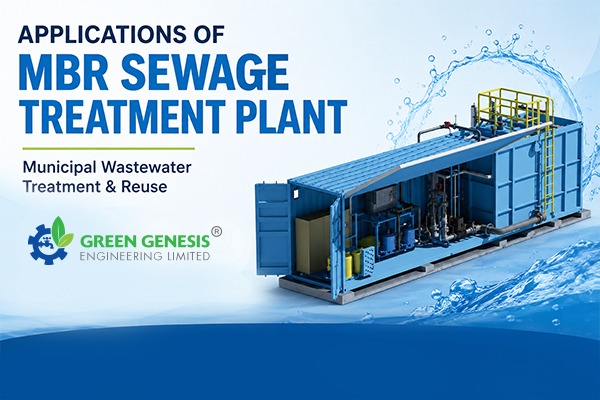
- Residential developments, apartment complexes, and large housing societies
- Commercial buildings, hotels, shopping malls, and office parks
- Healthcare facilities, hospitals, diagnostic centers, and laboratories
- Educational institutions including schools, colleges, and universities
- Industrial zones covering textile, pharmaceutical, food & beverage, tannery, and manufacturing units
- Municipal wastewater treatment plants and public infrastructure projects
- Resorts, eco-tourism sites, construction camps, and remote installations
- Any facility with limited space, high reuse requirements, or strict environmental compliance needs
MBR Cleaning and Maintenance
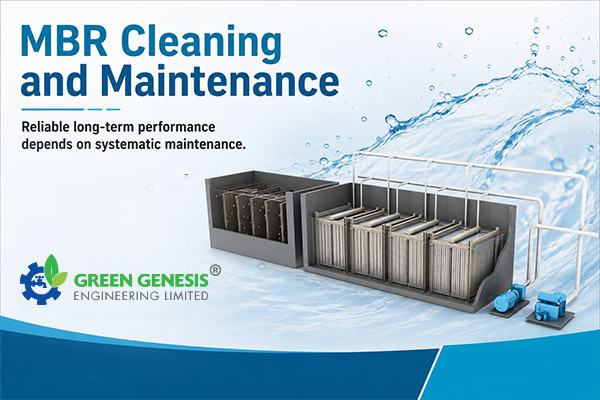
Reliable long-term performance depends on systematic maintenance. Green Genesis provides a comprehensive program that includes:
- Daily/Weekly Operations:Daily/Weekly Operations: Automatic backwashing cycles and air scouring to prevent fouling.
- Monthly Chemical Cleaning (CIP): In-place cleaning using mild sodium hypochlorite for organic removal and citric acid for inorganic scaling.
- Quarterly/Annual Recovery Cleaning: Intensive off-line cleaning when required.
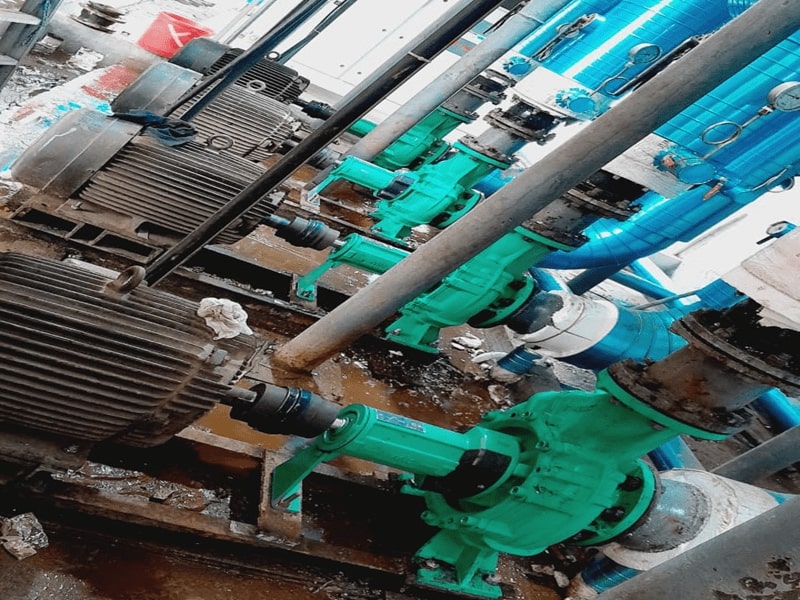
- Preventive Maintenance: Regular calibration of sensors, blower maintenance, sludge wasting optimization, and operator training programs.
- Full Support Services: Customized Operation & Maintenance (O&M) contracts, 24/7 emergency support, genuine spare parts inventory, and performance monitoring reports.
With our expert guidance, membranes typically achieve a service life of 8–12 years or more.
Technical Specifications
- Capacity Range: 5 KLD to 10,000+ KLD (scalable for larger projects)
- Typical Influent Quality: BOD 250–400 mg/L, COD 400–700 mg/L, TSS 200–400 mg/L, pH 6.5–8.5
- Guaranteed Effluent Quality: BOD <5 mg/L, COD <30 mg/L, TSS <1 mg/L, TN <10 mg/L, TP <1 mg/L, Turbidity <0.5 NTU, Coliform <100 CFU/100mL
- Membrane Type: PVDF / PES hollow fiber or flat sheet
- Membrane Flux Rate: 15–25 LMH
- Aeration Efficiency: Fine bubble diffusers with OTE >25%
- Power Consumption: 0.6–1.2 kWh per m³ of treated water
- Footprint Requirement: 0.8–1.5 m² per m³/day capacity
- Automation: Full PLC/SCADA with remote access and data analytics
Why Choose Green Genesis Engineering Limited?
Green Genesis Engineering Limited Green Genesis Engineering Limited stands out through our commitment to quality, innovation, and client satisfaction. We offer complete turnkey solutions covering feasibility studies, detailed engineering design, manufacturing, installation, commissioning, training, and long-term operation & maintenance. Our experienced team of environmental engineers and technicians ensures every project is tailored to site-specific conditions while incorporating the latest global technologies. By partnering with us, clients benefit from reliable performance, regulatory compliance, cost-effectiveness, and meaningful contributions to environmental sustainability.
Frequently Asked Questions (FAQ)
Q1: What is the main difference between MBR and conventional STP?
Ans: MBR technology uses membrane filtration instead of settling tanks, resulting in superior water quality, smaller footprint, and reduced sludge.
Q2: Can treated water from MBR STP be reused?
Ans: Yes, the high-quality effluent is ideal for irrigation, flushing, landscaping, vehicle washing, and cooling applications.
Q3: How much space does an MBR plant require?
Ans: Generally, 50-70% less land than traditional sewage treatment systems.
Q4: What is the expected lifespan of the membranes?
Ans: 8–12 years or longer with proper maintenance and our service support.
Q5: Are MBR systems costly to operate?
Ans: While initial investment is higher, operational costs are competitive due to efficiency gains and lower sludge handling.
Q6: Does Green Genesis provide after-sales support?
Ans: Yes, including comprehensive O&M contracts, training, spare parts, and 24/7 technical assistance.
Q7: Can MBR handle industrial wastewater?
Ans: Yes, our systems are customized with appropriate pre-treatment for various industrial effluents.
Q8: How long does installation take?
Ans: Modular MBR plants can be installed and commissioned within a few weeks.
Q9: What standards does your MBR effluent comply with?
Ans: Designed to meet or exceed Bangladesh DoE, WHO, and international reuse/discharge guidelines.
Q10: Do you provide solutions for small and large projects?
Ans: Absolutely — from compact 5 KLD units to large municipal-scale plants.