Introduction
A Package Sewage Treatment Plant (STP) is a compact, factory-built wastewater treatment system designed to treat domestic sewage from residential, commercial, industrial, and institutional facilities. In Bangladesh, package STPs are widely used for apartments, garments factories, hospitals, hotels, universities, and commercial buildings to comply with environmental regulations and manage wastewater efficiently.
What is a Package STP?
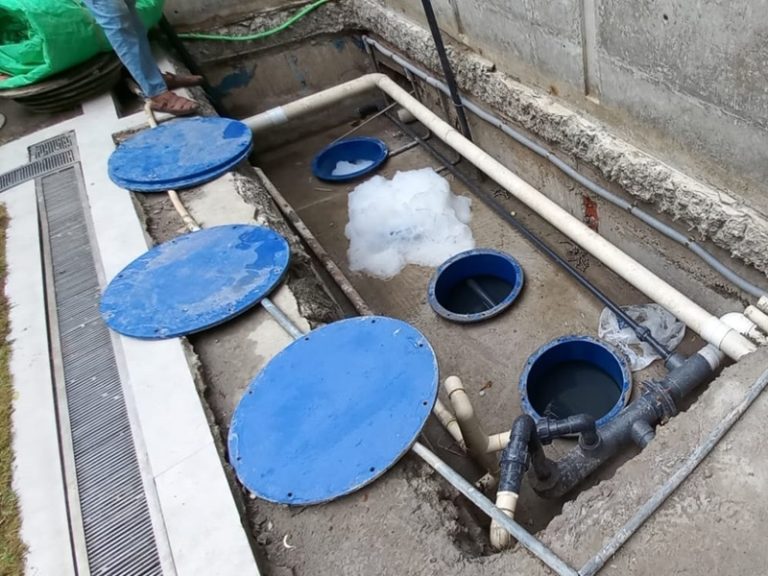
A package STP is a pre-engineered, modular sewage treatment system that can be installed quickly and requires less space compared to conventional civil-based treatment plants.
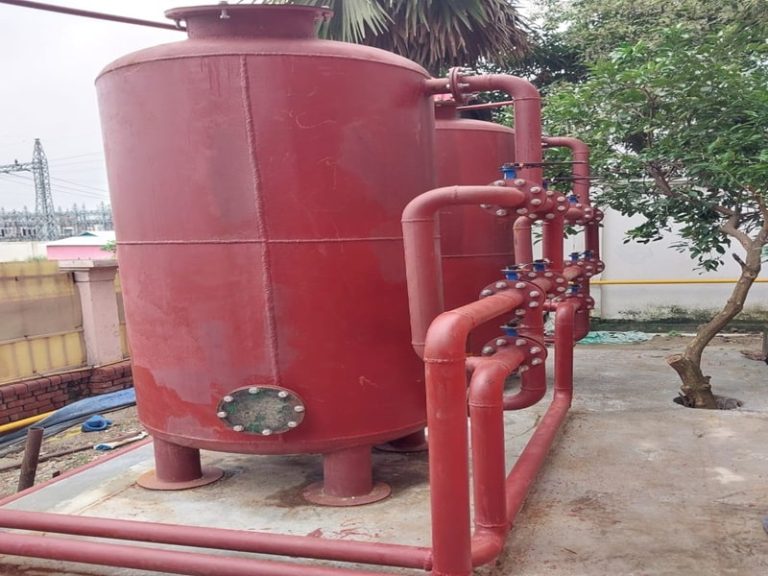
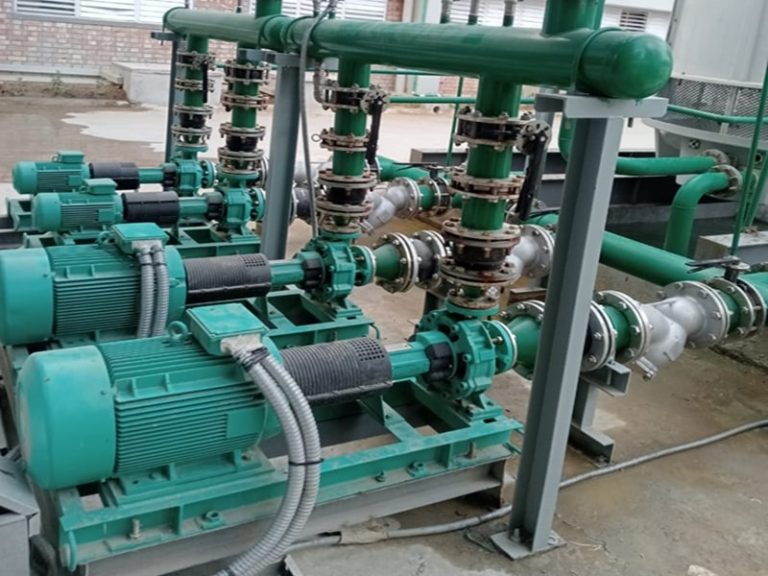
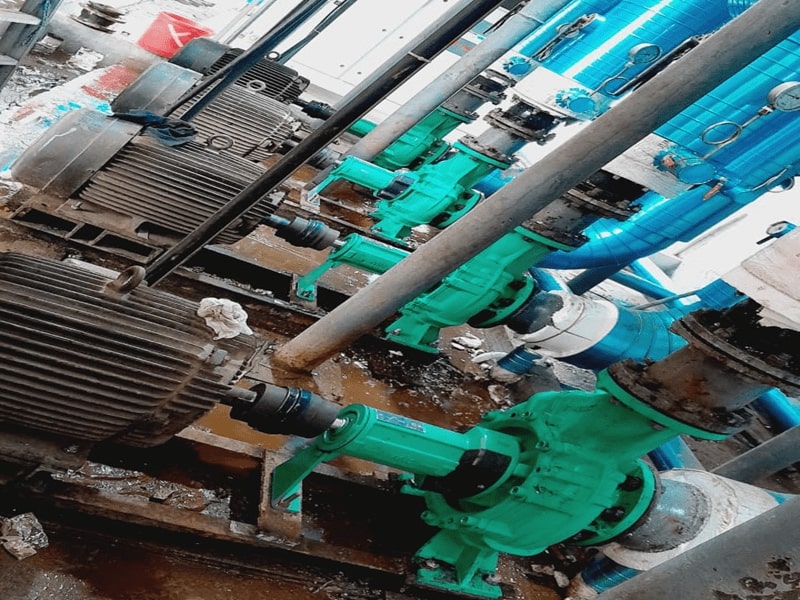
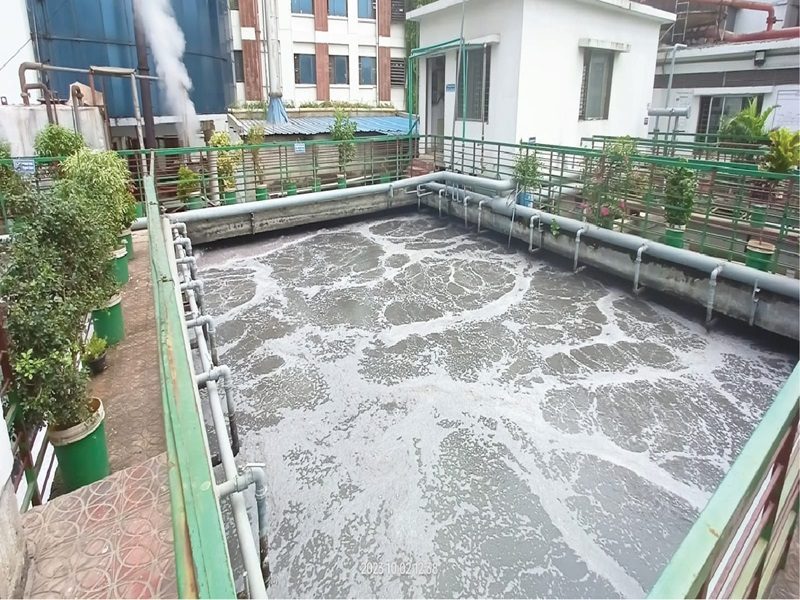
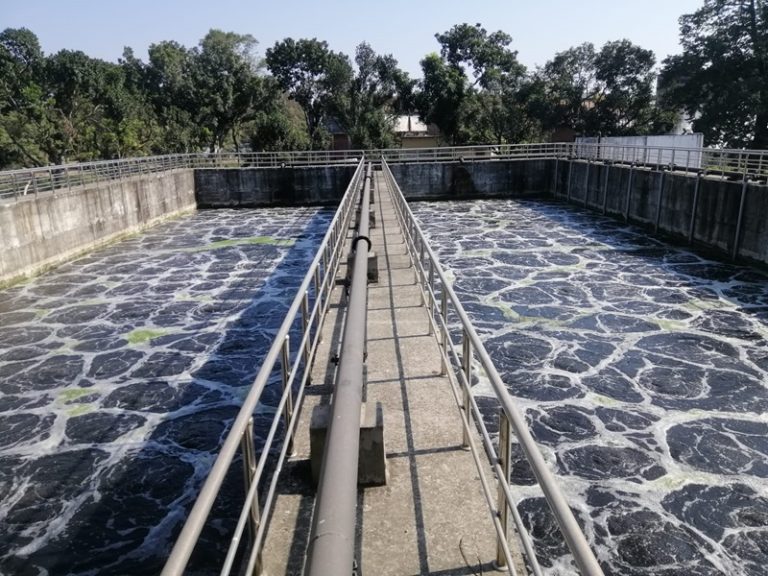
A Sewage Treatment Plant (STP) is a specialized facility where wastewater treatment takes place through a combination of physical, biological, and chemical processes to purify sewage before it is safely discharged into the environment. STPs play a vital role in treating and purifying both domestic and industrial wastewater by effectively removing harmful contaminants before the treated water is reintroduced into the natural ecosystem. Wastewater contains a wide range of organic and inorganic pollutants, including fecal matter, harmful chemicals, pathogens, and excess nutrients, all of which pose serious risks to human health and the environment. The primary objective of a sewage treatment plant is to efficiently eliminate these pollutants, prevent water contamination, protect aquatic ecosystems, and reduce the spread of waterborne diseases.
Working Process of Packaged STP Plant
The treatment process of a packaged sewage treatment plant depends on the characteristics and composition of the sewage. However, a typical Package STP generally follows the treatment stages below:
1. Primary Settling Zone
The sewage first enters the primary settling tank, where suspended solids are separated from wastewater. This tank is equipped with specially designed Tube Settler Media, which helps reduce approximately 75% of suspended solids and around 25–30% of Biological Oxygen Demand (BOD). Since this section contains no moving parts, it requires minimal maintenance and ensures efficient preliminary treatment.
2. Aeration Zone (Biological Treatment)
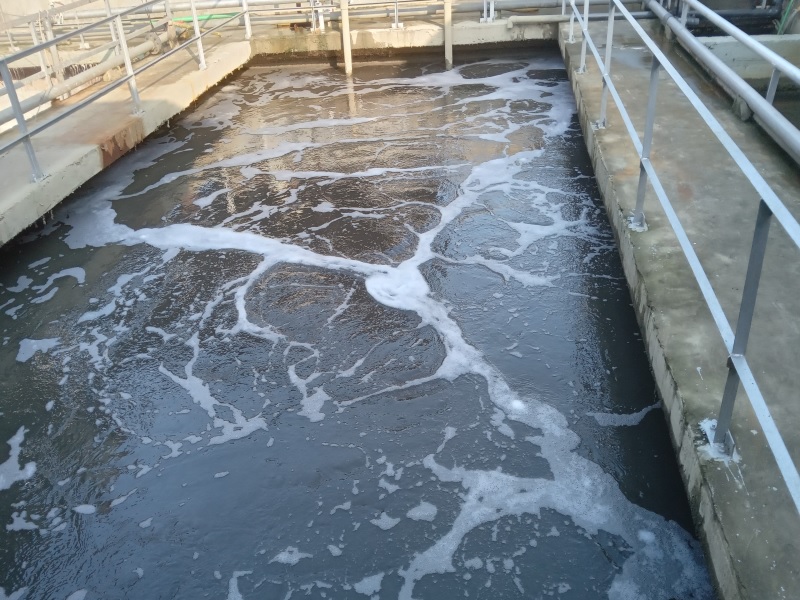
After primary clarification, the wastewater flows into the aerobic bio-reactor, which contains attached growth media such as SAFF (Submerged Aerobic Fixed Film) or FAB (Fluidized Aerobic Bed) media, along with fine bubble diffuser membranes installed at the bottom of the tank. The media provides a large surface area for beneficial microorganisms to grow and thrive. These microorganisms consume and break down organic pollutants present in the wastewater. Air supplied through blowers creates oxygen-rich conditions and ensures proper mixing, significantly enhancing the treatment efficiency. This stage typically achieves around 60–65% BOD removal.
3. Secondary Settling / Final Sedimentation Zone
The treated wastewater then enters the secondary settling tank, where finer suspended particles settle at the bottom. This chamber uses specially designed Tube Settler Media to improve sedimentation efficiency. During this process, sludge accumulated at the bottom of the tank is pumped back to the primary chamber as return activated sludge (MLSS) to maintain microbial activity and improve treatment performance. Excess sludge is transferred to sludge drying beds or sludge dewatering equipment, such as a filter press, for safe disposal.
4. Final Treated Water Discharge & Reuse
In the final stage, the treated water meets environmental discharge standards and can be safely released into the environment or reused for gardening, irrigation, flushing, cooling, and cleaning applications. This contributes to water conservation and environmentally responsible wastewater management.
What are the types of sewage treatment?
Common treatment technologies include:
- Membrane Bioreactor (MBR)
- Moving Bed Biofilm Reactor (MBBR)
- Activated Sludge Process (ASP)
- Sequential Batch Reactor (SBR)
- Rotating Biological Contactor (RBC)
- Bio-Chemical (Chemical Followed by Biological)
- Chemical Followed by Particle Filtration
Applications in Bangladesh
Package sewage treatment plants are commonly used in:- Residential apartments & housing projects
- Garments and textile industries
- Hotels & resorts
- Hospitals & healthcare facilities
- Schools, universities & institutions
- Commercial buildings & shopping malls
Why Choose Packaged STP?
- Compact and space-saving design
- Quick installation with minimal civil work
- Available in semi-automatic and fully automatic systems
- Low maintenance and operational cost
- Environmentally friendly wastewater treatment
- Water reuse capability for sustainable operations
- Suitable for residential, commercial, institutional, and industrial sectors
Conclusion
Choosing the right Sewage Treatment Plant (STP) is essential for ensuring environmental sustainability, regulatory compliance, and effective wastewater management. A well-designed package STP helps remove harmful contaminants, protects public health, and enables the safe discharge or reuse of treated water. For reliable, efficient, and customized wastewater treatment solutions in Bangladesh, Green Genesis Engineering Limited (GGEL) stands out as a trusted choice. With expertise in designing, supplying, installing, and maintaining high-quality Package Sewage Treatment Plants, GGEL delivers cost-effective and environmentally friendly solutions tailored to residential, commercial, and industrial requirements. Choose GGEL for dependable sewage treatment solutions and a cleaner, greener future.